Essential Insights into 24 x 24 x 24 Bird Cages for Pet Birds


Intro
In a world where birds can brighten our lives with their melodies and vibrant colors, selecting the right living environment becomes crucial. A 24 x 24 x 24 bird cage is not just a box; it is a haven where your avian companions thrive and express their unique personalities. Understanding their needs goes beyond mere dimensions; it encompasses habitat design, species-specific considerations, and emotional enrichment. In this guide, we will delve into all aspects necessary for both novice and seasoned pet bird owners, ensuring that you craft an optimal sanctuary for your feathered friends.
Avian Care Basics
Creating a nurturing environment starts with understanding avian care essentials. Birds require a well-thought-out habitat that caters to their diverse needs. Below, we will unpack the integral elements to consider.
Importance of Proper Nutrition
The foundation of a happy bird lies in its diet. The nutritional needs vary significantly depending on the species, age, and health. For instance, larger birds like African Greys may require pellets, seeds, fresh fruits, and veggies, while canaries may thrive solely on seeds supplemented with occasional leafy greens. Before you fill their feeders, understanding the dietary requirements cannot be overstated.
Understanding Bird Species and Their Needs
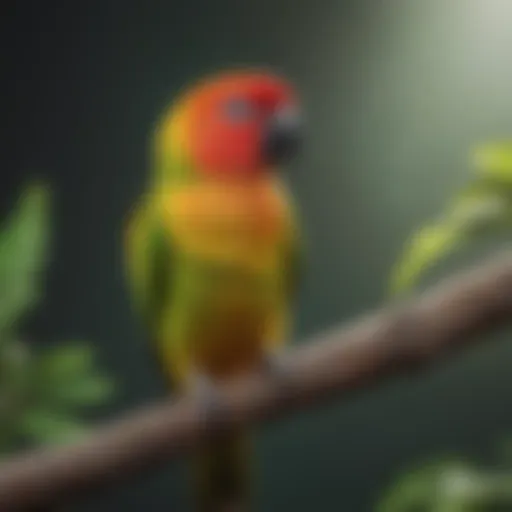
Every bird species has specific habitat and social needs. For example, lovebirds are social creatures needing companionship, while cockatiels may appreciate solitary time. It’s paramount to familiarize yourself with your bird’s behavior and requirements, which makes for a happy, healthy pet.
Basics of Birds Habitat Setup
When setting up the cage, consider the following:
- Perches: Vary the sizes and materials to promote foot health.
- Toys: Rotate them frequently to provide stimulation.
- Space: Ensure the cage allows for flight; the dimensions may dictate the types of birds you're able to house comfortably.
From configuring the interior layout with these essentials to considering locations for the cage within your home, every choice impacts your bird's quality of life.
Grooming and Hygiene Tips
Birds, unlike cats or dogs, don’t groom themselves entirely. Regular grooming sessions help keep their feathers in top shape while reducing the risk of diseases. Additionally, clean the cage at least once a week to prevent the build-up of waste and feces, which can lead to issues. Keeping your bird healthy is halfway through nurturing emotional wellbeing.
Interacting with Your Pet Bird
Your relationship with your bird is founded on interaction and understanding. Building a solid bond takes time and care.
Building Trust and Connection
Patience is key. Spend time near the cage, talk softly, and let them adjust to your presence. Offering treats can gradually encourage them to approach you without fear.
Training Techniques and Tips
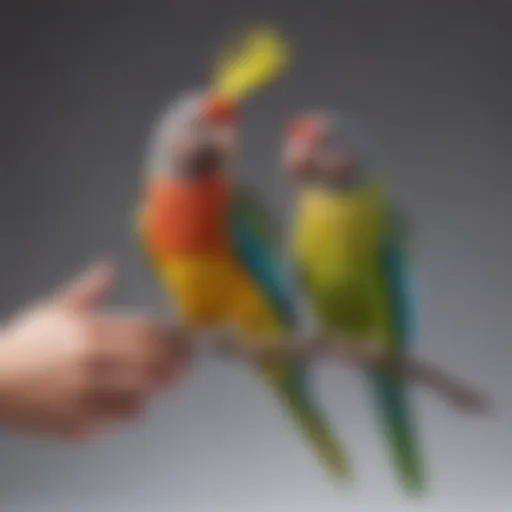
Bird training doesn't have to be strenuous. Start with simple commands, using a clicker or positive reinforcement. For example, with a budgie, teach them to step onto your finger for a treat. Consistency breeds success.
Fun Activities for Bird Owners and Their Birds
Engaging activities abound, from teaching them tricks to set up simple obstacle courses using household items. Not only does this helps burn off energy, but it also enriches their routine with variety.
Recognizing Bird Cues and Behaviors
For those taping into their avian instincts, understanding body language is vital. Fluffed feathers might signal a leisurely mood, while rapid wing flaps may indicate excitement or anxiety. Always observe your bird's behavior to cater to its needs.
Emotional Well-Being of Birds
Beyond the basics, focusing on your bird’s emotional landscape may escalate its happiness.
The Role of Play and Socialization
Birds are inherently social creatures. Interaction—be it with other birds or their humans—plays a crucial role in their emotional health. Create opportunities for social playtime outside the cage, under supervision of course.
Enhancing Birds' Emotional Health
Consider activities that promote interaction such as communal baths or singing along to music. Offering a variety of toys and stimulating environments can also alleviate boredom.
Assessing Bird Stress and Remedies
Recognizing stress indicators can save a bird from enduring unhappiness. Signs may include excessive screeching or feather plucking. Laminate stressors with gentle changes or consult a vet if necessary.
Building Strong Human-Bird Bonds
Reinforcing the bond with positive experiences, patience, and shared activities shall tighten your connection. A bird that feels safe and loved typically mirrors that sentiment back.
Bird Health and Safety
The safety and health of your pet bird cannot be overlooked. A proactive approach ensures they lead long, healthy lives.
Common Health Issues and Prevention
Birds can suffer from various ailments, such as obesity and feather plucking. Watch their diet closely and encourage physical engagement. Regular check-ups with an avian vet could become your best ally in prevention.
Routine Veterinary Care
Annual visits ensure vaccinations are up to date and provide you with insights into maintaining bird health. Additionally, familiarize yourself with avian vets and their care methodologies; not all doctors appreciate the unique needs of birds.
Environmental Hazards to Avoid
Common household items—like certain plants, fumes from cooking, or lead—can pose grave threats to your pet birds. Learning which items are safe can save you from future heartaches.
Signs of Illness or Distress
Early detection is paramount. Monitor changes in eating habits, droppings, or behavior—these could be your bird's way of communicating issues. The quicker the response, the better the outcome.
Fun Facts and Quirky Insights
Birds harbor a world of intriguing tales worth sharing.
Unique Traits of Popular Bird Species
Did you know cockatiels can imitate tunes from your favorite songs? And that parrots can live upward of 50 years with the right care? Each bird species carries unique traits that make them captivating companions.
Historical and Cultural Significance of Birds
Throughout history, birds have symbolized freedom, hope, and even omens. From ancient cultures to modern societies, their presence remains impactful.
Famous Bird Owners and Their Stories
Many celebrities have been inspired by their feathered friends. For instance, the late actor John Stamos famously had a pet bird named "Miguel" which he adored. These stories help validate the special role birds play in our lives.
In summary, selecting and caring for a 24 x 24 x 24 bird cage is not merely a task; it's an investment in the happiness and wellbeing of your pet birds. By being informed of their needs—nutritional, emotional, and health-wise—you can build a safe, engaging, and nurturing environment that enhances their quality of life.
Overview of the x x Bird Cage
The 24 x 24 x 24 bird cage is more than just a home for your feathered friends; it plays a pivotal role in their health, happiness, and well-being. As a bird owner, understanding the significance of this specific cage size can greatly influence your pets' quality of life. Not only does it provide ample room for movement, but it also supports diverse activities that promote physical and mental stimulation.
When properly set up, a 24 x 24 x 24 cage can cater to various bird species, from lively budgies to majestic cockatoos. What's equally important is recognizing that not all situations are the same. Therefore, knowing how this space can be tailored to meet individual needs makes it a versatile choice for many bird enthusiasts.
Dimensions and Space Considerations
A cage measuring 24 inches on each side typically offers a spacious environment that's ideal for medium to small birds. Birds need space - it's a fundamental truth in aviculture. The generous dimensions allow for more than just sheer area; it provides the height and depth necessary for flight and activity. The height especially grants birds ample vertical space to perch and hop, mimic their natural habitats, and engage in essential behaviors.
When planning for your cage’s location, keep in mind these essential elements:
- Visibility: Placing the cage in a busy area of your home – where the bird can engage with family life – creates a positive social environment.
- Access to Natural Light: Ensure that the cage is near a window but out of direct harsh sunlight, allowing for a natural day/night cycle.
- Safety from Dangers: Away from open windows or areas where predators might be a threat, such as cats or larger birds.
It’s also imperative to assess your space before purchasing. Ensure it's convenient for you and your bird to access, clean, and interact without obstruction.
Common Uses in Aviculture
In bird-keeping, the 24 x 24 x 24 cage is often favored for certain reasons. Primarily, this cage offers versatility. It accommodates various species, including lovebirds, parakeets, and small conures. Here are some common applications that illustrate its relevance in bird care:
- Breeding: The spacious design allows for nesting space and room for both the male and female birds.
- Temporary Refuge: When cleaning or during travel, this cage serves as a safe haven for your bird, away from stressful situations.
- Showcase for Socialization: Owners often use this cage as a space for daily interaction, training, and playtime, enriching the relationship between them and their birds.
This flexibility not only benefits the birds but also enhances the owner's experience, fostering deeper connections. It's clear that a well-chosen cage becomes an integral part of a bird’s life, shaping its environment and overall happiness.
Choosing the Right Cage
When it comes to bird ownership, selecting the right cage isn't just a matter of aesthetics. A well-chosen cage can significantly influence your birds’ well-being and happiness. This section emphasizes the crucial aspects of choosing a cage that suits both the bird and the owner’s needs. It entails understanding what a bird requires to feel secure and stimulated in its environment.
Assessing Bird Species Needs
Not all birds are created equal. For instance, a parakeet has vastly different needs compared to a cockatoo. For the cage to serve its purpose effectively, it must cater to the specific requirements of the bird species you own. Consider the following points when assessing your bird's needs:
- Space: A smaller bird may thrive in a 24 x 24 x 24 cage, but larger birds require more space to stretch their wings.
- Activity Level: Birds that are active, like lovebirds, may need more perches and toys to keep them engaged on multiple levels.
- Social Behavior: Some birds prefer to be alone, while others thrive in pairs or groups. Consider how your bird interacts with its surroundings.
Understanding these dimensions will help you invest in a cage not just for today, but one that accommodates your bird as it ages and its needs evolve.
Material Considerations
The materials used in constructing your bird cage can impact everything from safety to maintenance. Below are some important aspects to consider:
Metal vs. Plastic
Metal cages are often the favored choice due to their durability. A well-constructed metal cage resists chewing and scratching, making it less likely your bird will escape or get injured. On the downside, some metals can rust or react with the bird's hormones. Look for stainless steel or powder-coated metal for safer options. Unlike metal, plastic may appear more colorful, but it is typically less durable. It can be chewed up, making it less secure.
Lattice Styles
The design and spacing of the lattice can also make a world of difference. Cages with wider bar spacing may pose a risk for smaller birds who could slip through or get stuck. On the other hand, tightly spaced bars tend to be safer but can limit airflow. A classic choice is the horizontal bar lattice, which allows birds to climb and stretch their wings comfortably. It balances aesthetics with functionality.
Durability Factors
Considering how long your cage will last is essential. A cage should withstand everyday wear and tear without compromising your bird's safety. Look for features such as reinforced joints and solid hinges. Another angle to consider is how easy it is to clean; if a cage is durable yet cumbersome to maintain, it could lead to neglect. Opting for a cage made of high-quality materials often results in fewer replacements and repairs.
When you invest in a cage that meets your bird’s needs and your requirements for ease of care, you set the stage for a happy and healthy living environment.
In sum, understanding the diverse elements of selecting the right cage not only sets the tone for your bird's living condition but also enhances the bond you'll share.
Setting Up the Cage Environment
Creating the right environment for your feathered friends in a 24 x 24 x 24 bird cage is of paramount importance. This space is not just a physical enclosure but a sanctuary that should echo the natural habits and instincts of birds. Setting up the cage with deliberate thought and care contributes not only to their physical health but also to their mental well-being. A well-designed cage environment can drastically enhance a bird’s quality of life, making it a focal point in the journey of bird ownership. From providing essential accessories to considering the overall layout and design, there are several elements to think over carefully.
Essential Accessories
The accessories included in the cage environment play a vital role in making it a comfortable and stimulating space for birds. Let’s break down the primary accessories, focusing on their specific contributions and characteristics.
Perches
Perches serve as the landing spots for your birds, which is why selecting them carefully can’t be overstated. A good perch promotes foot health and offers a place for rest and play. Generally, a variety of perch diameters and materials can support the natural wear of a bird’s claws, preventing issues like bumblefoot.
- A key characteristic of suitable perches is texture; perches made from natural wood are popular because they mimic tree branches that birds would encounter in the wild.
- Unique feature: the variety in shape and size helps in exercise, giving birds the chance to hop around and stay agile.
When choosing perches, it’s good to strike a balance. Having both smooth and textured options promotes a healthy foot structure, giving birds a chance to grasp and climb. However, using overly smooth perches could lead to toe problems. Always remember to check for any signs of wear and replace them when necessary to keep your birds safe.
Food and Water Dispensers
Food and water dispensers are the lifelines for birds, making them essential accessories in the cage environment. These entities not only provide nutrition and hydration but also significantly contribute to cleanliness and ease of use.
- A significant trait here is that they come in various shapes and sizes, from simple bowls to specialized feeders that discourage mess.
- Unique feature: a good dispenser should prevent contamination from droppings, which can often be a pitfall in poorly designed setups.
A well-placed dispenser can encourage natural foraging behavior, allowing birds to engage their instincts. It’s vital to ensure fresh food and clean water are consistently available. You wouldn’t want your bird to go thirsty or hungry, which can lead to health issues.
Hiding Spots
Creating hiding spots is often an overlooked aspect of bird environments. These spaces allow birds to feel safe and secure, replicating the natural instinct to find refuge from predators. A crucial feature of hiding spots is that they offer comfort during stressful situations, such as loud noises or unfamiliar faces nearby.
- Having a cozy hide gives them the chance to retreat and rest, which is invaluable.
- Unique feature: various options in hiding materials exist—soft fabric tents, wood, or even natural branches allow for exploration.
While they may seem simple, hiding spots greatly enhance the overall quality of life for birds in captivity. Birds that feel secure are more inclined to exhibit natural behaviors, leading to healthier, happier pets.
Cage Layout and Design
When it comes to the cage layout and design, think of it as creating a small universe for your bird. Your objective should be to arrange the cage in a way that encourages movement, exploration, and interaction. Space utilization can make a big difference; consider how your birds move and interact with their environment. Elevating feeders, placing perches at various levels, and strategically placing toys can create a rich and dynamic landscape within the cage.
Additionally, the design should reflect some aspects of natural habitats, like adding branches or foliage for climbing and exploring. Pay attention to the arrangement to ensure it is intuitive; that way, your birds can move freely without feeling cramped.
In summary, setting up the cage environment is a crucial step in ensuring your pet birds thrive in their new home. Each accessory plays a role in creating an overall wellness landscape, fostering both physical health and psychological comfort.
Remember, happy birds are healthy birds!
Bird Health and Safety
Bird health and safety is crucial for ensuring the well-being of your avian companions. Investing time and effort into securing a safe environment not only prolongs the life of your birds but also enhances their quality of life. An effectively managed bird cage contributes to mental and physical health, allowing for joyful exploration and safe living.
When discussing health and safety, two primary areas demand our attention: safety features within the cage and regular maintenance practices. These elements work hand in hand to create a habitat that supports the birds’ innate behaviors while preventing potential hazards.
Safety Features to Consider
Lockable Doors
Lockable doors are a significant aspect of bird cage safety. They provide that additional layer of security that keeps both your birds in and any mischievous pets out. A lockable door often features a simple yet effective locking mechanism that a human can operate easily but is challenging for a curious bird or pet to manipulate.
One of the most beneficial characteristics of a lockable door is peace of mind it offers. You can rest at ease knowing that your birds are safe from accidental escapes or unexpected intrusions. While many models come with standard latches, those that include more advanced locking systems may be even more reliable.
However, it’s essential to evaluate any downsides. Some birds, particularly the intelligent ones, can learn to maneuver simple locks, so it’s wise to choose a cage with a robust mechanism designed for your specific bird species.
Safe Coatings
Safe coatings on bird cages are another pivotal consideration. Most cages are coated with a finish that prevents rust and corrosion while also ensuring that the bird's health is not compromised by exposure to harmful materials. Non-toxic, safe coatings imply that they are free of heavy metals and harmful solvents which can pose toxicity risks to your birds.
The primary advantage of investing in cages with safe coatings is longevity. A good coating can make for a durable product that withstands wear and tear over time without flaking or peeling, thereby preventing choking hazards. Nevertheless, not all coatings are created equal, and it’s advisable to do some research to confirm that the cage you are considering uses high-quality materials.
Regular Maintenance Practices
Cleaning Protocols
Cleaning protocols play a vital role in ensuring a hygienic environment for your birds. Regular cleanings prevent the build-up of harmful bacteria, mold, and pests that can arise in dirty habitats. Establishing a cleaning routine—weekly or biweekly—will keep your birds’ living space healthy and pleasant.
Utilizing solutions that are bird-safe is important. Vinegar and baking soda are excellent alternatives to harsh chemicals, effectively tackling stains and odors without putting your feathered friends at risk. One unique aspect to remember is that the components of the cage, from perches to food bowls, should also be cleaned thoroughly to avoid cross-contamination.
In addition, keeping a checklist of your cleaning tasks can help maintain consistency and thoroughness, ensuring no areas are overlooked during routine checks.
Check for Wear and Tear
Regularly checking for wear and tear is just as important as cleaning. Over time, cage components can degrade, posing safety hazards. Worn-down surfaces can harm bird feet or even lead to escape routes if the integrity of the cage is compromised.
This practice involves assessing perches, food and water dispensers, and the cage itself. Look for rust, broken parts, sharp edges, or frayed ropes on toys. The longevity of your cage is tied to how proactive you are about these inspections. While some wear and tear are inevitable, early detection can prevent costly replacements and, more importantly, protect the health of your birds.
By diligently maintaining both the safety features and implementing regular maintenance practices within the cage, you protect your birds and foster a thriving environment for them—one that supports their natural tendencies and emotional well-being.
Always remember, a healthy bird is a happy bird!
Enhancing Bird Welfare
Enhancing bird welfare is a cornerstone of responsible avian care. A well-structured 24 x 24 x 24 bird cage provides a canvas upon which bird owners can paint a vivid life for their pets. It’s not just about keeping birds confined; it’s about ensuring they thrive within that space. Psychological well-being is as crucial as physical health. By focusing on enrichment and social interaction, owners can foster an environment that mimics natural habitats, encourages instinctual behaviors, and fosters emotional bonds.
Environmental Enrichment Ideas
Interactive Toys
Interactive toys serve as vital tools in bird welfare. Their primary function is to stimulate mental activity, reducing boredom that can lead to feather plucking or aggression. A well-designed interactive toy often has moving parts or challenges that require birds to engage and think. These toys keep birds both physically active and mentally stimulated, which are key components of a thriving avian environment.
The standout characteristic of interactive toys is their versatility. From puzzle feeders that dispense treats as birds solve problems, to climbing toys that encourage exploration, the options are vast. This is why they are popular among bird enthusiasts; they not only keep birds entertained but also promote their natural foraging instincts.
Nevertheless, it’s crucial to choose toys that are safe. Not all materials are bird-friendly. Wooden toys painted with toxic paint or those with small parts that can be swallowed should be avoided. Regular inspection for wear and tear is also important to ensure safety.
Variety in Perches and Climbing Structures
Another significant aspect involves providing variety in perches and climbing structures. Birds are natural climbers, and offering different heights, shapes, and textures can replicate their wild habitats. This diversity encourages birds to flex their muscles, promoting both physical health and behavioral enrichment.
Perches made from natural wood are particularly appealing, as they offer a non-uniform surface that’s easier on a bird's feet compared to smooth plastic. Varied perches help to keep foot problems at bay, which are common in birds kept on uniform surfaces. Additionally, climbing structures like ropes or ladders can cater to a bird’s natural climbing instincts.
However, having too many items crammed into one cage can impede movement rather than facilitate it. Therefore, owners have to strike a balance in creating an engaging yet manageable environment.
Social Interaction and Bonding
Understanding Bird Behavior
Understanding bird behavior is paramount for forging a strong bond with these creatures. Birds communicate through a variety of vocalizations and body language, and being attuned to their signals can greatly enhance interactions. A quick ruffle of feathers might suggest happiness, while a sudden flapping or screech might be a cry for help or a warning sign.
Knowledge of bird behavior allows pet owners to be proactive in their care, adjusting the environment or their interaction levels based on the subtle cues birds give. For instance, knowing when a bird enjoys being handled versus when it prefers solitude can lead to a more harmonious relationship.
Establishing Trust
Establishing trust is the foundation of a long-lasting relationship with a pet bird. Building this trust takes time and patience. This could be anything from slowly introducing hands into the cage to offering treats or simply sitting near the cage and talking softly. The key characteristic here is consistency; the bird needs to know that its owner is a reliable source of safety and affection.
The unique advantage of establishing trust is that it facilitates better interaction. Burdened by fear, birds are less likely to engage or explore their environment. Once trust is in place, birds feel free to explore and interact, which contributes to their overall health and happiness.
The End and Final Thoughts
The journey of creating a comprehensive and nurturing environment for your avian companions doesn't conclude after discussing the cage setup or welfare enrichment methods. Rather, it is a lifelong pursuit of understanding the needs and behaviors of your pet birds. The 24 x 24 x 24 bird cage is more than just a physical structure; it is a sanctuary that reflects your commitment as a bird owner. Keeping in mind the specific habitat requirements, regular maintenance, and social interaction helps foster a profound bond between you and your feathered friends.
The Lifelong Commitment to Bird Care
Bird ownership extends far beyond providing food and shelter. It requires comprehensive knowledge about the species you're caring for—including their diets, health needs, and emotional well-being. The commitment to bird care is lifelong and entails:
- Consistent observation of your bird's behavior and changes in health.
- Regular veterinary checkups to address any issues before they escalate.
- Learning and adapting to new practices or products that enhance your bird's quality of life.
The key here is to remain vigilant about your pet's needs and be prepared to make necessary adjustments. Birds are intelligent creatures with complex social behaviors. Therefore, regular interaction and engagement with your birds will not only keep them healthy but also help you understand them better. Moreover, teaching your birds to trust you makes the experience immensely rewarding.
Future Considerations for Cage Upgrades
As your birds grow and their needs evolve, it's crucial to consider future upgrades for their cage and environment. Here are some points for consideration:
- Increasing Space: If you find your birds becoming more active or displaying signs of boredom, it may be time to upgrade to a larger cage or even a flight aviary that offers more space for exercise.
- Advanced Enrichment: Explore new toys and perches or even natural branch systems, which can mimic their wild habits and help in their physical and mental stimulation.
- Technology Integration: In today's world, incorporating technological solutions such as automated feeders or climate control systems may enhance comfort and care.
Ultimately, flexibility and willingness to adapt your approaches will ensure that your birds remain healthy and happy. Always remember that exploring different methods and upgrades, while keeping core husbandry principles in mind, can help cultivate an enriched and wholesome environment for your avian companions.
"Caring for birds involves understanding their unique needs and evolving your care practices with their development."
Being a responsible bird owner means continually learning and growing alongside your pets. By fostering an environment that adapts to their needs and enhances their well-being, you ensure not just their survival, but their life is full of joy and vitality.