Discovering the Avian Wonders of Southern Nevada

Intro
Southern Nevada is more than just arid landscapes and dazzling casinos; it's a hidden sanctuary for a rich variety of bird species. This desert region, often overlooked, is home to many feathered inhabitants, each contributing to the delicate balance of their local ecosystem. Understanding these birds—ranging from migratory visitors to year-round residents—opens a window into the vibrant life that thrives in this unique environment. Birds are not just captivating to watch; they play crucial roles in pollination, seed dispersion, and pest control. As we explore the diverse avian residents of Southern Nevada, we will delve into their habitats, behaviors, and seasonal movements while underscoring the importance of conservation efforts that protect these creatures. Let's embark on a journey that highlights the relationships between human communities and their winged neighbors.
Avian Care Basics
Importance of Proper Nutrition
Feeding our birds correctly is perhaps the cornerstone of good avian care. Birds, like all living creatures, require a balanced diet to thrive. A mixture of seeds, pellets, fruits, and veggies often forms the foundation of a bird's meal plan. However, not all birds have the same dietary needs. For instance, a parakeet's diet might differ vastly from that of a cockatoo. It’s important to research individual species’ requirements to ensure all essential nutrients are supplied. Fresh, clean water should also always be within their reach; hydration is just as critical as food.
Understanding Bird Species and Their Needs
Different bird species have unique traits and habits that dictate their care. Some birds, like finches, are known to be social and thrive in groups, while others, such as canaries, may prefer solitude. Learning about your bird's temperament, natural environment, and social needs helps in providing a more suitable and fulfilling life for them. Birds can be quite intelligent, often requiring mental stimulation or toys to keep them engaged and happy.
Basics of Birds Habitat Setup
Creating the right habitat is essential to a bird's quality of life. Each species has its preferences for cage size, type of perches, and available space to fly. For instance, larger breeds demand spacious surroundings; a cramped cage can lead to stress and health issues. Additionally, including a variety of activities and hiding spots keeps them entertained. Incorporating natural elements, like branches and safe plants, can also make a cage feel more like home.
Grooming and Hygiene Tips
Grooming is another vital aspect of bird care. Regularly trimming nails and checking feathers helps maintain a bird's health. Some species may even require occasional baths, either through misting or shallow water dishes. A hygienic living environment cannot be overlooked either. Cleaning cages regularly and ensuring food and water containers are sanitized will keep diseases at bay and allow your bird to live a long, happy life.
Interacting with Your Pet Bird
Building Trust and Connection
Engaging with your bird builds a relationship based on trust, which can lead to a more fulfilling companionship. Start by spending quality time in the same room, gradually moving closer to their cage. Speaking gently and allowing them to come to you creates a sense of safety. Trust takes time, but ensuring positive interactions will foster this bond.
Training Techniques and Tips
Training your bird can be a rewarding endeavor. Use treats as motivators, beginning with simple commands like step-up or down, and gradually introducing tricks. Birds respond well to consistency and patience. It’s important to remember that not all birds will learn at the same pace. A calm environment and repetitive practice can do wonders.
Fun Activities for Bird Owners and Their Birds
There are myriad fun activities that can enhance your bird's life while strengthening your bond. Consider interactive toys that require problem-solving or DIY projects to create foraging opportunities. Regular time outside the cage, under supervision, also provides valuable exercise.
Recognizing Bird Cues and Behaviors
Birds communicate not just through vocalizations but through body language as well. A puffed-up appearance may signal contentment, while a fluffed-up bird might indicate stress or illness. Recognizing these cues and understanding individual personalities can enhance care and response.
Emotional Well-Being of Birds
The Role of Play and Socialization
Just like us, birds need social interactions and play to remain emotionally healthy. Pairing birds with compatible companions can prevent loneliness in social species. Interactive playtime, offering toys beyond their cage, and encouraging exploration are beneficial activities.
Enhancing Birds' Emotional Health
Birds thrive emotionally when they're engaged. Consider varying their environmental stimulation using new toys or rearranging their living spaces regularly to spark curiosity. This keeps their minds active and lessens boredom-related behavioral issues.
Assessing Bird Stress and Remedies
Birds can show signs of stress in various ways, including vocalization changes and altered behaviors. If a bird seems more withdrawn or aggressive than usual, removing stressors, providing quiet spaces, or consulting with an avian vet may be necessary to help alleviate their stress.
Building Strong Human-Bird Bonds
Establishing a deep connection with your bird helps in creating a harmonious living environment. Regular interaction not just meets their social needs but also enriches the lives of their human companions. Consider routines or habits that signify bonding moments, such as shared meals or quiet time together.
Bird Health and Safety
Common Health Issues and Prevention
Birds are often adept at hiding pain or illness, making routine observation paramount. Look for signs of respiratory distress or changes in appetite. Regular vet check-ups are crucial. Certain health concerns can often be prevented by maintaining a clean environment and providing a balanced diet.
Routine Veterinary Care
Regular veterinary visits are essential to ensure ongoing health. Finding an avian vet can make a difference in early detection of potential problems. Just like any pet, developing a relationship with a vet familiar with bird care is important for keeping them healthy.
Environmental Hazards to Avoid
Birds are particularly vulnerable to household hazards like toxic plants, fumes, and extreme temperatures. Keeping their living space free of harmful materials is essential. Be cautious with items such as non-stick cookware, which can emit fumes dangerous to birds.
Signs of Illness or Distress
Recognizing when a bird is unwell can be tricky. Persistent lethargy, changes in droppings, or unusual vocalizations are often red flags. Being attentive to these signs helps in taking timely action and ensuring appropriate care.
Fun Facts and Quirky Insights
Unique Traits of Popular Bird Species
Each bird species has distinguishing features that set them apart. For example, the African Grey parrot is renowned for its impressive mimicry skills, while the cockatiel is often recognized by its charming crest. Understanding these traits helps foster appreciation for the avian world.
Historical and Cultural Significance of Birds
Throughout history, birds have held a special place in various cultures. Ancient Egyptians regarded certain birds as sacred symbols, while in modern times, they often symbolize freedom and beauty. Learning about these cultural references enhances our understanding of their impact.
Famous Bird Owners and Their Stories
Numerous public figures and celebrities have shared their lives with birds, echoing their charm and intellect. Perhaps the most notable stories are those of famous musicians and actors who have found joy in their feathered companions, showcasing how profound these relationships can be.
For further information on avian care and species, consider checking resources such as Wikipedia, Britannica, or engaging forums on Reddit. With the right knowledge and empathy, you can navigate the fulfilling journey of sharing your life with these beautiful creatures.
Prologue to Southern Nevada's Avifauna
Southern Nevada is not just about its glitzy casinos or the vast expanses of arid landscapes. It cradles a vibrant tapestry of bird life that often goes unnoticed. With its varied ecosystems ranging from the scorching deserts of the Mojave to the lush wetlands around Lake Mead, the region nurtures a fascinating collection of avian species. This article aims to shed light on that avifauna, highlighting birds that have adapted to this unique environment.
Geographical Context
The geographical features of Southern Nevada play a pivotal role in shaping its bird populations. This area is a blend of stark deserts, mountainous terrains, and striking canyons. The interplay of these environments creates microhabitats that are crucial for many bird species. For example, the desert regions host birds like the Gambel’s quail, while the wetlands attract waterfowl such as ducks and geese.
The topography features elevated regions like the Spring Mountains, where birds of prey like the golden eagle soar high above. The significant contrast in elevation and climate offers niches for a variety of species that have adapted to local conditions. Birds thrive not just because of what the land provides, but also due to the seasonal migrations that bring an influx of species throughout the year. As the seasons shift, the symphony of bird calls changes, echoing the diversity and richness of the Southern Nevada landscape.
Importance of Avian Diversity
Birds are more than just enchanting creatures that grace our skies; they're a fundamental part of the ecological fabric of Southern Nevada. Their diversity speaks volumes about the health of the regions they inhabit. High levels of avian diversity indicate a balanced ecosystem where various species, from insectivores to scavengers, interact with their environment effectively.
Moreover, birds serve essential roles:
- Pollination: Many birds, particularly those in urban gardens, help in pollinating plants, which has cascading effects down the food chain.
- Pest Control: Birds like the Western Bluebird play a significant role in managing insect populations, thereby contributing to agricultural health.
- Seed Dispersal: Avian species such as the American Robin assist in seed dispersal for various plants, aiding ecosystem regeneration.
In essence, the birds of Southern Nevada not only enrich the visual and auditory landscape but also hold ecological importance that supports a balanced environment. Understanding their behaviors, habitats, and migration patterns allows for a deeper appreciation of their presence, and showcases the symbiosis between avifauna and the landscapes they call home.
"Birdwatching is about more than observing. It's about connecting with the world around us and understanding the delicate balance of nature."
Habitat Types in Southern Nevada
The myriad habitat types in Southern Nevada are not mere backdrops; they serve as rich tapestries of life, each uniquely contributing to the survival and diversity of bird species. Understanding these varied landscapes is crucial for appreciating the behavioral patterns and ecological significance of the avian inhabitants. Each habitat type not only offers specific resources vital for survival but also poses its own set of challenges, forming a symbiotic relationship with the birds that thrive there. By examining these distinct habitats, we can better appreciate the nuanced ways in which local avifauna adapt and flourish.
Desert Ecosystems
Desert ecosystems in Southern Nevada are more than just arid expanses; they are vibrant environments teeming with life. Species such as the Gambel's quail and the greater roadrunner exemplify the incredible adaptability of birds in these tough conditions. These birds have evolved a variety of strategies to cope with the harsh environment where water is scarce and temperatures can soar.
- Camouflage and Predation: The muted colors of many desert birds provide excellent camouflage against their sandy surroundings, helping them evade predators. For instance, the nimble burrowing owl often remains hidden until movement is detected.
- Feeding Strategies: These birds typically feed on seeds, insects, and small mammals, utilizing their keen eyesight for hunting. The strategies change throughout the seasons, as some birds might even migrate slightly or shift their diet to adapt to food availability.
- Nesting: Nesting behaviors are also fascinating; many birds utilize natural crevices or dense vegetation to shield their young from the sun, showcasing adaptability and resourcefulness.
Wetlands and Rivers
Wetlands and rivers are lifelines amidst the desert landscape. These areas provide critical habitats that support a variety of bird species, including waterfowl like mallards and American coots. The lush, green vegetation and water sources attract not only birds but also insects and fish, creating a dynamic ecosystem.
- Diverse Nesting Habitats: Marshes and riverbanks offer unique nesting sites that protect birds from predators. The American bittern, for instance, prefers dense reed beds for its nests, which keeps it hidden from view.
- Feeding Opportunities: These wetlands serve as crucial feeding grounds, rich with food sources ranging from small fish to aquatic insects. Birds such as the great blue heron can be spotted wading through shallow waters, utilizing their long necks to catch prey.
- Seasonality: The seasonal changes in water levels impact the migratory patterns of birds, making wetlands essential for many species during migration periods.
Urban Areas
Urban areas in Southern Nevada, while often overlooked, provide unique habitats for various bird species adapting to city life. As cities expand, many birds have found ways to thrive among humans, creating an interesting dynamic between nature and civilization.
- Adaptation to Artificial Environments: Species like the house finch and western bluebird have altered their behaviors to take advantage of human structures for nesting and feeding, showcasing resilience in the face of urbanization.
- Feeding on Human-provided Resources: These birds often rely on scraps from human activities or specially planted gardens. While urban settings lack natural food, they can still provide abundant resources if adapted well.
- Community Engagement: Urban environments also foster birdwatching communities, where locals partake in monitoring and engaging with their local bird populations, thereby heightening awareness and appreciation for these feathered neighbors.
"In every corner of Southern Nevada, from the bustling streets of Las Vegas to the peaceful banks of the Colorado River, there are opportunistic birds finding their niche in a rapidly changing world."
Through these habitat types—desert, wetland, and urban—Southern Nevada's bird populations not only survive but also demonstrate the remarkable adaptability and resilience of avian life. Understanding these environments can pave the way for better conservation efforts and a deeper appreciation of the intricate connections between these birds and their habitats.
Common Bird Species of Southern Nevada
In Southern Nevada, the avian world presents a vibrant tapestry of life. This area, defined by its sandy deserts, lush wetlands, and urban landscapes, serves as a haven for various bird species. Understanding the common birds found here is crucial not only to appreciate the local biodiversity but also to grasp their ecological roles. These birds contribute to the environment in ways that benefit other wildlife and humans alike. For instance, songbirds help control insect populations, while waterfowl play an essential part in maintaining wetland ecosystems.
Songbirds
Songbirds, or passerines, are the heart of Southern Nevada's birdlife. Their melodic calls and brilliant plumage provide not just beauty but a glimpse into the complexity of life in this region. The California Towhee and the Lesser Goldfinch are prime examples, often seen flitting among the desert scrub and sagebrush. They thrive in open habitats, using their sharp beaks to crack seeds and feast on insects, which makes them crucial for seed dispersal.
Additionally, songbirds exhibit varied feeding habits, often changing according to the season. Western Bluebirds, notable for their striking blue feathers, can often be spotted in spring, darting from perch to perch, searching for beetles and waxwings. Their seasonal presence adds richness to the Southern Nevada habitat, contributing to the balance of the ecosystem.
Birds of Prey
Birds of prey, also known as raptors, are among the most captivating inhabitants of Southern Nevada. Species such as the Red-tailed Hawk and the Barn Owl embody the wild essence of the region. The Red-tailed Hawk, with its broad wings and piercing eyes, can often be seen gliding gracefully above the desert, a sentinel of the skies. Its keen eyesight allows it to spot prey from great distances, demonstrating the intricate balance between predator and prey in this arid landscape.
Raptors are also indicators of a healthy environment; their presence suggests a rich food web underneath. They play a significant role in controlling rodent populations, thus helping to maintain balance in the ecosystem. Observing these formidable birds in action is both a thrill and a reminder of nature's hierarchy.
Waterfowl
Amidst the dry scenery of Southern Nevada lie crucial water sources, hosting a variety of waterfowl that rely heavily on these habitats. The American Coot and the Mallard Duck are common sights around lakes and marshes. These birds demonstrate remarkable adaptability as they navigate both pedestrian and aquatic environments with ease.
Such waterfowl contribute immensely to the ecosystem. Their habits of grazing on aquatic vegetation help in maintaining the health of wetland environments. Additionally, they provide food sources for various predators, creating a cycle of life that sustains the intricate web of local biodiversity. Birdwatchers often enjoy observing their behaviors during mating season as these birds engage in elaborate displays.
Migratory Species
Southern Nevada serves as a critical waystation for migratory birds traveling along the Pacific Flyway. Western Sandpipers and Hummingbirds are notable travelers that make their way through the region during seasonal shifts. The arrival of migratory species adds a dynamic aspect to the region's avifauna, bringing in new breeding opportunities and genetic diversity.
Migratory behavior is fascinating and complex. Many species, such as the Black-crowned Night-Heron, visit Southern Nevada during specific times of the year to take advantage of the abundant food sources available. Understanding their migration patterns sheds light on climate change impacts, habitat conservation needs, and the challenges that these birds face in a rapidly changing world.
"The movements of these birds, far from being simple, reflect the deep connections between the ecosystems they traverse and the health of our planet."
Recognizing these common bird species provides essential insight into the unique ecosystem of Southern Nevada. With their diverse habitats and behaviors, these birds not only enchant enthusiasts but also play pivotal roles in maintaining ecological balance. For aspiring bird parents, breeders, and pet bird owners, understanding these species can inspire and educate on the importance of conservation efforts toward these magnificent creatures.
Behavioral Patterns
Understanding the behavioral patterns of birds in Southern Nevada is vital for grasping their ecological roles and the dynamics of their habitats. Observing how different species interact within their environments gives insights into their survival strategies and health of the ecosystems they inhabit. This exploration also sheds light on the connections between avian behavior and the human activities that impact their lives.
Feeding Habits
Birds exhibit a myriad of feeding habits influenced by their species, habitat, and seasonal variations. Grain and seed eaters like the Gambel's quail prefer foraging on the ground, especially in desert scrub areas. In contrast, nectar feeders, such as the Costa's hummingbird, rely heavily on native flora, particularly flowering plants that bloom in spring and summer. These feeding habits are not merely about sustenance but play a more significant role in pollination and seed dispersal, crucial for ecosystem health.
Many birds adapt their diets according to the availability of food resources. For instance, migratory species like the Red-tailed hawk adjusts its feeding based on seasonal prey movements. During desert rains, an abundance of insects appears, leading to a drastic shift in hunting methods. Birds even exhibit behaviors such as caching food, where they store surplus food items for leaner times, reflecting a sophisticated understanding of their environment.
Mating Rituals
Mating rituals among birds are often elaborate and serve multiple purposes. These rituals help to establish territory, attract mates, and ensure genetic diversity within populations. The Western meadowlark is known for its distinctive song, which carries for miles and signals both its presence and readiness to mate. Similarly, the courtship displays of American kestsrels, involving aerial acrobatics, capture the attention of potential mates, emphasizing strength and vigor.
Timing is also essential in mating behaviors, influenced by seasonal changes and environmental cues. For example, the onset of spring triggers not only the blooming of flowers but also the initiation of breeding among many species. Adult males often engage in aggressive displays against rivals, showcasing their dominance, which is vital for securing mating opportunities.
Nest Building
Nest building is a critical behavior that reflects the adaptability and resourcefulness of birds. In Southern Nevada, where environmental conditions can be harsh, many bird species, such as the Black-chinned hummingbird and the Say's phoebe, exhibit remarkable ingenuity in selecting nest sites. They make use of the available materials like twigs, grasses, and even human-made objects to create safe and insulated homes for their young.
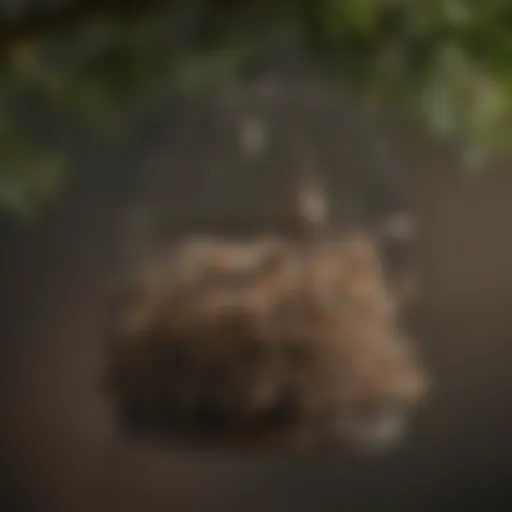
Nest architecture varies widely among species; some, like the verdin, build nests that resemble small, spherical structures, which can be found in thorny bushes to protect them from predators. Others prefer to nest in cliff ledges or human structures, showcasing their ability to adapt to the landscape.
"Nesting success is crucial; studies indicate that successful rearing of chicks significantly influences local bird populations." - Source: birdlife.org
This habit not only facilitates reproductive success but also indicates the health of their ecosystem. The failure of a species to build and maintain a suitable nest can be a telltale sign of habitat degradation, drawing attention to the need for conservation efforts.
Overall, the behavioral patterns of birds, particularly their feeding habits, mating rituals, and nest building techniques, reveal the intricate connections they have with their environment and highlight the areas where human intervention can support their survival.
Conservation Challenges
The conservation of birds in Southern Nevada is more than just a feel-good topic; it’s an urgent matter that strikes at the very heart of ecological balance. The region, with its stark deserts, lush wetlands, and urban sprawl, houses a multitude of species that depend not only on their specific habitats but also on the overall health of the environment. Understanding conservation challenges is essential, as they outline the hurdles faced by resident birds and highlight the interconnectedness of ecosystems.
Habitat Loss
Habitat loss stands as one of the foremost threats to avian species in Southern Nevada. Over the years, expansions in urban development and agricultural initiatives have led to the degradation of crucial habitats. Many birds, like the Mojave Desert tortoise and certain species of sparrows, find their nesting sites replaced by concrete and asphalt.
- Reasons for Habitat Loss:
- Urbanization and Infrastructure: Expansion of cities and roads displaces natural habitats.
- Agriculture: Conversion of land for crops diminishes native flora and fauna.
- Climate Variability: Altered weather patterns further shrink viable habitats.
"Each bird lost is a reminder of the delicate balance we must strive to maintain."
These changes not only threaten the birds themselves but also disrupt the food chain and create ripple effects throughout the surrounding environment. Restoration efforts are crucial; thus, continual advocacy for sustainable land-use practices is necessary to mitigate these pressures.
Climate Change Impact
Climate change is already casting its long shadow over bird populations in Southern Nevada. Altered rainfall patterns, increased temperatures, and shifting seasons create instability in food availability and breeding cycles.
- Impact Highlights:
- Seasonal Migrations: Some species struggle to adjust their migratory patterns, causing mismatches with food supply periods.
- Nesting: Rising temperatures can lead to earlier breeding seasons, which may not align with peak food availability for hatchlings.
- Habitat Alteration: Changes in climate can transform favorite spots into inhospitable areas for various species.
Birds like the American avocet are sensitive indicators; their decline could signal more significant environmental issues for the entire ecosystem. Monitoring and research are vital to understand the local effects of climate change on specific bird populations.
Human Interaction
Moreover, the interaction between humans and birds can be complex and multifaceted. While some locals embrace birdwatching and conservation, others may unintentionally contribute to habitat disruption through ordinary daily activities.
- Common Human Factors:
- Pollution: Water and air pollution can harm bird health and reduce their food sources.
- Outdoor Activities: Increased foot traffic in wildlife areas leads to disturbances of nesting sites.
- Pets: Domestic animals, such as cats and dogs, pose a considerable threat to native wildlife.
Education and awareness programs are vital tools in creating a better relationship between humans and birds. By engaging local communities and providing knowledge about the importance of bird conservation, the hope is to foster a protective sentiment among the residents.
In summary, addressing conservation challenges in Southern Nevada is a multifaceted effort that requires collective action and a strong commitment to preserving not only bird species but also the larger ecological framework that supports them. It is imperative that we act thoughtfully, reinforcing our role as stewards of the environment for these unique avian representatives.
Community Involvement in Bird Conservation
Community involvement plays a vital role in the conservation of bird species in Southern Nevada. As these feathered creatures enhance the local ecosystem, it's crucial to understand how public interest and action can bolster their habitats and protect their diversity. The collective effort of local citizens fosters a deep connection between humans and nature, creating a sustainable environment where both can thrive. Here, we will discuss the specific aspects that underline the significance of community involvement in bird conservation, highlighting various benefits and considerations that come with such engagement.
Local Birdwatching Groups
Birdwatching groups have become a nucleus of community-driven conservation initiatives in Southern Nevada. These clubs bring together enthusiasts from all walks of life, uniting them with a common goal: protecting the avian species that grace the region's skies. Through organized outings, birdwatchers not only observe and document species but also learn from one another, fostering a sense of teamwork and dedication toward bird conservation.
Their activities often include:
- Regular Bird Counts: Members participate in community science projects, collecting valuable data that helps track bird populations.
- Conservation Advocacy: Groups often collaborate with local organizations to push for legislation that preserves essential habitats.
- Awareness Campaigns: By hosting events that celebrate local birds, these groups raise awareness about environmental issues impacting their habitats.
As these gatherings unfold, participants share stories about their experiences, further inviting others to become actively engaged. Newcomers, intrigued by the camaraderie and passion for wildlife, often find themselves inspired to take on specific conservation efforts, thus expanding the resource pool available for these shared goals.
Educational Programs
Education serves as a powerful tool in fostering a deep-rooted respect for bird conservation among locals. Many programs target schools, families, and individuals, providing comprehensive information about the importance of birds in the ecosystem and how to protect them. These initiatives often encompass:
- Workshops and Seminars: Conducted by experts, these sessions inform participants about avian biology, habitats, and the impact of climate change on local species.
- Hands-on Activities: Programs can include building birdhouses, conducting bird surveys, or planting native flora that supports local birdlife.
- Field Trips: Organized trips to local preserves and parks offer a unique chance to observe birds in their natural environment, often fostering a lifelong passion for birdwatching.
Community-driven educational efforts not only help to spread awareness but also encourage stewardship. When people understand the direct link between their actions and the health of avian communities, they are more likely to adopt environmentally-friendly practices.
"Every effort, no matter how small, contributes to a larger movement of conservation."
With organizations committed to carrying the banner for bird conservation, the initiatives taken by the community collectively can yield significant strides in protecting avian life throughout Southern Nevada.
This community involvement nurtures an ecosystem of support for this delicate balance, all while fostering connections among individuals who share a love for the winged residents of the desert.
End and Future Directions
Birds are not just beautiful charms added to the Southern Nevada landscape; they play an integral role within the ecosystem and the local community. As we move forward, it’s essential to recognize the need to nurture bird populations and their habitats, promoting loyalty and love toward our feathered friends. The interplay between human activities and avian life should guide both policy and participation within the community. Evaluating conservation measures, engaging in education, and fostering an appreciation for birdwatching are vital. These actions help support not only the birds but also the health of the entire environment.
Research indicates that bird diversity is a key indicator of ecological health.
Summary of Key Insights
Southern Nevada is home to a spectacular array of birds, each lending something unique to the environment. From the lively songbirds inhabiting urban areas to the majestic birds of prey soaring across vast deserts, this region offers a vivid tableau of avifauna. The seasonal migratory patterns not only add to the complexity of this biosphere but symbolize the resilience and adaptability of these species. Each bird plays its part in the food web, influencing insect populations, serving as pollinators, or even aiding in seed dispersal. Protecting their habitats—from wetlands to urban greenspaces—is crucial, as it directly bears on the region’s overall biodiversity.
Encouragement for Bird Enthusiasts
For aspiring bird parents, breeders, and those fueled by a passion for avian life, diving deeper into this field is incredibly rewarding. Birdwatching in Southern Nevada is not merely a pastime; it’s a mission to understand and protect these unique creatures. There is much to see and learn in this desert tapestry. Joining local birdwatching groups can provide invaluable insights and resources while connecting with like-minded individuals. Participating in community programs adds weight to the invaluable work of conservation. Every pair of eyes and set of ears can contribute to preserving Southern Nevada's enchanting bird population.
The future of Southern Nevada’s birds lies in the hands of those who appreciate their beauty and significance. Let us foster a sense of stewardship and passion, ensuring these vibrant species continue to thrive for generations to come.