Tiny Bird Cages: A Complete Guide for Pet Owners


Intro
The realm of tiny bird cages is more than just a Pinterest-perfect corner of your home; it's a pivotal aspect of maintaining the health and happiness of our avian friends. Adventure lurks in the small spaces of these cages, where the right design and environment can make or break a pet bird's quality of life. As bird owners, understanding the nuances of proper avian care, how to foster a loving interaction with these delicate creatures, and the impact of habitat and health on their well-being is essential. This article will seamlessly navigate through the intricacies involved in setting up your feathered compatriots’ space while ensuring they receive the love and attention they deserve.
Avian Care Basics
In the realm of bird ownership, a strong foundation is imperative. The core of avian care rests upon several bastions: proper nutrition, understanding specific bird needs, creating an ideal habitat, and grooming practices. All these elements work together to keep our feathered companions chirping happily.
Importance of Proper Nutrition
Feeding a pet bird is not merely about filling a bowl with seeds and calling it a day. Diet diversity is crucial for a bird's health. Many species require a blend of seeds, pellets, fresh fruits, and vegetables to obtain essential nutrients. For example, cockatiels generally benefit from a mixture rich in pellets and leafy greens, while budgerigars thrive on a more seed-heavy meal with the occasional treat of apple slices.
"Birds can’t tell us when they’re not feeling well, but a balanced diet can help prevent many issues before they arise."
Understanding Bird Species and Their Needs
Birds are diverse, and just like people, each species has its own individual requirements. A parakeet's habitat and care will differ significantly from that of a macaw. Researching your bird's particular needs—like social behavior, singing tendencies, and habitat preferences—helps create a more compatible living space.
Basics of Birds Habitat Setup
A bird cage isn't just a box to keep a bird confined—it's their world. The size and design should provide enough space for movement, play, and rest. Various levels, perches, and toys can enhance the cage's environment, making it engaging and enriching for the bird. It's essential to remember that the material of the cage, whether it's stainless steel or powder-coated, affects long-term maintenance and safety.
Grooming and Hygiene Tips
A bird's feathers can be its pride and joy, but keeping them clean and healthy should be a priority. Regular baths or shower time, combined with routine inspections for parasites or damaged feathers, are vital. Moreover, maintaining a clean cage with fresh water will not only benefit your bird’s health but also create a pleasant environment for both of you.
Interacting with Your Pet Bird
The relationship between a bird and its owner can sometimes be tumultuous, yet wonderfully rewarding. Building trust and connection is key to a harmonious companionship.
Building Trust and Connection
Gaining a bird's trust might take time, but patience works wonders. Begin by sitting near the cage and talking softly. Allow the bird to approach you at its own pace. Frequent short interactions can help build a bond, and before long, you'll be amazed at how confident your feathered friend becomes around you.
Training Techniques and Tips
Bird training is not only possible; it's essential. Teaching basic commands and positive reinforcement can aid in establishing routines. A simple trick such as ‘step up’ can turn into a valuable tool for enhancing daily interactions, making vet visits less daunting.
Fun Activities for Bird Owners and Their Birds
Ever thought of playing hide and seek with your parrot? They might just surprise you with their intelligence and problem-solving skills. Hiding treats around the cage or letting them explore a safe enchanted space can stimulate their minds and strengthen your bond.
Recognizing Bird Cues and Behaviors
Understanding your bird's behaviors is fundamental. These cues, whether vocal or visual, indicate their needs. For instance, if your bird is plucking its feathers or chirps frantically, it might be trying to communicate discomfort or boredom. These signals are essential to nurturing an emotionally healthy bird.
Emotional Well-Being of Birds
Ensuring your bird feels loved and safe goes hand-in-hand with times of play and social engagement. Emotional health significantly influences a bird's overall well-being.
The Role of Play and Socialization
Birds, especially social species, thrive on interaction. Ensuring that playtime is a priority excites their minds and strengthens bonds. Offering toys that mimic natural behaviors (like foraging) will keep their adventurous spirit alive.
Enhancing Birds' Emotional Health
Creating an emotionally rich environment isn’t about expensive toys. Simple branches, natural wood perches, and social interaction can promote mental well-being. Investing time in their care and companionship is the real essence of avian happiness.
Assessing Bird Stress and Remedies
Birds can be surprisingly sensitive. Recognizing stressors—like loud noises or unfamiliar people—can prevent unnecessary anxiety. Offering a quiet place or familiar objects can help soothe frayed nerves.
Building Strong Human-Bird Bonds
Developing a meaningful relationship requires consistent love, care, and personalized attention. The more you invest in nurturing your bird's happiness, the greater the connection you establish.
Bird Health and Safety
Just like any other pet, birds face health challenges. An informed owner can make a significant difference in their lives.
Common Health Issues and Prevention
Common issues include respiratory infections and malnutrition. Regular health check-ups with a veterinarian specializing in avians can help catch problems early. Staying aware of your bird’s diet and behaviors is crucial.
Routine Veterinary Care
Opting for routine check-ups ensures your bird remains healthy. A certified avian veterinarian can provide guidance on vaccinations and preventative care to keep your feathered companion thriving.
Environmental Hazards to Avoid
Understanding what might harm your bird helps create a safe environment. Items like toxic plants, cigarette smoke, and common household cleaners are no-fly zones when it comes to bird safety.
Signs of Illness or Distress
Pay attention to changes in behavior. Weight fluctuation, fluffed feathers, or lethargy can signal that a visit to the vet is in order. Responding swiftly can often save a bird’s life.
Fun Facts and Quirky Insights
Birds, with their myriad abilities, hold a fascinating place in both culture and history.
Unique Traits of Popular Bird Species
For instance, African Greys are known for their remarkable mimicry and intelligence. Meanwhile, canaries are not just beautiful singers but can differentiate between pitches, demonstrating musicality.
Historical and Cultural Significance of Birds
Birds have played starring roles in myths and legends across cultures. The lore surrounding the phoenix or the dove as a symbol of peace illustrates how deeply enmeshed they are in storytelling.
Famous Bird Owners and Their Stories
Birds have inspired many famous individuals—think of John Lennon and his pet parakeet. Their impact can be seen in both life and art, showcasing how interwoven they are in human experiences.
The End
In sum, caring for a pet bird involves much more than just providing food and shelter; it requires an investment of time, attention, and understanding. From nutrition to emotional well-being, every aspect plays a significant role in enhancing the quality of life for these wonderful creatures. By embracing the responsibilities that come with bird ownership, we not only improve their lives but also enrich our own.
Understanding Tiny Bird Cages
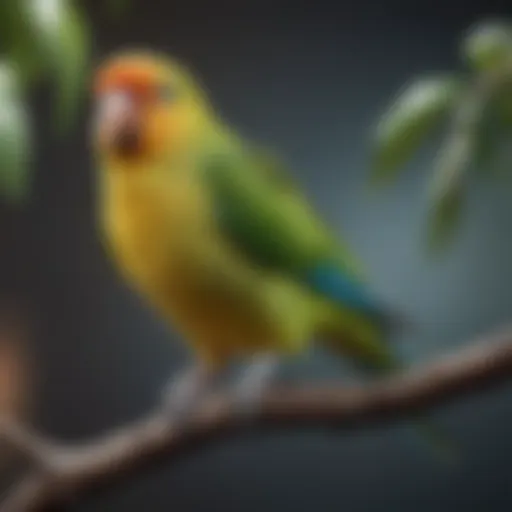
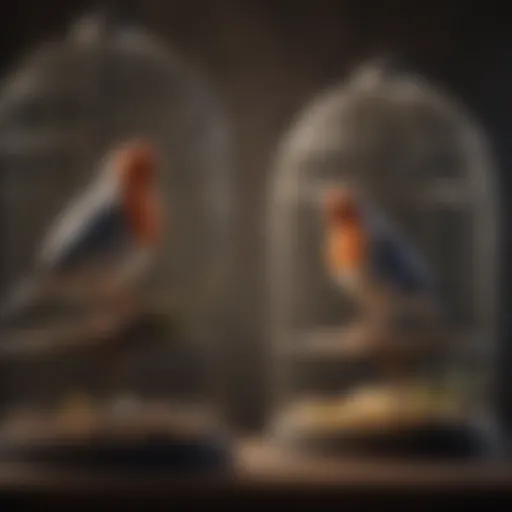
Understanding tiny bird cages is crucial for anyone looking to care for small avian pets. These cages serve not just as a home but as a sanctuary that directly influences a bird's health, behavior, and overall happiness. Choosing the right cage can make a significant difference; it lays the foundation for creating an enriching environment tailored to the specific needs of different bird species.
The importance of tiny bird cages stretches beyond mere aesthetics. They provide safety and comfort, giving birds a designated space that mimics their natural habitat, albeit on a smaller scale. A well-chosen cage allows birds the freedom to move, play, and explore, which is vital for their physical and emotional well-being.
Benefits of Understanding Tiny Bird Cages:
- Promotes Health: A suitable cage layout can prevent behavioral issues and health problems such as obesity or stress-related illnesses.
- Enhances Bonding: The right environment fosters a bond between bird and owner, promoting social interaction and reducing anxiety.
- Encourages Exploration: Properly designed cages stimulate curiosity and creativity, essential traits for a bird’s happiness.
Considering the various elements involved, selecting a tiny bird cage is more than just picking a pretty model from a pet store shelf. Bird owners must take into account not only the physical dimensions of the cage but also the types of materials used in construction, the ease of maintenance, and design elements that promote play and exercise.
Definition and Purpose
A tiny bird cage is fundamentally characterized by its reduced dimensions, designed specifically for smaller species such as budgerigars, finches, and canaries. The primary purpose of such cages is to serve as a livable space where birds can thrive.
Critically, these cages should facilitate activities that mirror birds’ natural behaviors. They need to provide a safe haven where birds can perch, fly short distances, and interact with their environment. More than just serving as a containment space, the cage becomes a platform for birds to express their instinctual behaviors.
Key Functions of Tiny Bird Cages:
- Security: Small cages protect bird from potential threats, be it other pets or environmental hazards, thereby creating a secure living space.
- Habitat Simulation: A well-designed cage can mimic a bird's natural habitat, with appropriate amenities such as swings, perches, and food dispensers that encourage activity.
In essence, tiny bird cages are an essential investment in the care of small birds. They help address the clinical and emotional aspects of avian life while allowing owners to immerse themselves in the rewarding experience of birdkeeping.


Common Species for Small Cages
When it comes to selecting a tiny bird cage, it's essential to consider the species that will inhabit it. Specific birds thrive in smaller spaces, making them ideal candidates for these compact cages. Understanding their particular needs can lead to a more fulfilling avian ownership experience.
Suitable Bird Species for Tiny Cages:
- Budgerigars (Budgies): Popular for their playful nature and ability to mimic sounds. Budgies are small, social creatures that flourish in a lively environment.
- Canaries: Known for their melodious songs, canaries do well in small cages that offer perches and space for movement.
- Finches: These birds are often kept in pairs or small groups, requiring cages that promote social interaction but still respect their modest spatial needs.
Each of these species requires particular care and environment variations to thrive, so understanding what makes their habitat comfortable can significantly improve well-being. The selection of the right tiny bird cage must be informed by the specific habits, social needs, and physical characteristics of these delightful flapping companions.
Dimensions and Space Considerations
When it comes to the world of tiny bird cages, dimensions and space considerations play a pivotal role in ensuring the well-being of our feathered companions. Unlike larger avian habitats, smaller cages demand a greater level of scrutiny regarding their size and layout. Choosing the correct dimensions not only supports the physical health of birds but also addresses their psychological needs—an aspect that often gets overshadowed in discussions about bird care.
It’s vital to understand how cage size influences a bird's ability to engage in natural behaviors. Birds need room to move, stretch their wings, and explore their environment. A cage that is too small can lead to frustration and even health issues down the line. When considering a cage, it’s not just about fitting a bird inside; it’s about providing a sanctuary for them to flourish.
Minimum Size Requirements
In avian care, there is an unspoken rule that size matters; in fact, for many species, it could be the difference between a happy, healthy bird and one that suffers from stress or health problems. While local regulations may stipulate minimum size requirements for wild or pet birds, these guidelines serve as a basic starting point rather than an ideal. For instance, a parakeet might feel stifled in a cage that is merely the minimum required size.
Experts suggest the following dimensions as general guidelines:
- Budgerigars (Budgies): A minimum of 18 inches in length, 18 inches in width, and 24 inches in height.
- Canaries: Minimum dimensions of 18 x 18 x 18 inches provide enough space for activity.
- Lovebirds: Ideally, 24 x 24 x 36 inches to allow for movement and playfulness.
- Cockatiels: A recommendation of at least 24 x 24 x 36 inches.
Even these numbers can feel cramped if the bird isn't adequately enriched. Many bird owners opt for larger cages, providing more room for toys, perches, and activities, which significantly improves the bird's quality of life. Just remember that a smaller cage severely limits movement, leading to stress-related behaviors, such as plucking feathers or over-grooming.
Vertical vs Horizontal Space
When selecting a bird cage, the orientation of space—vertical versus horizontal—also matters more than meets the eye. In the wild, many small birds are naturally climbers, often found flitting between branches and perches above. Thus, providing a vertical space in the cage can play a crucial role in mimicking their natural habitat.
Vertical Space:
- Favoring Flight: Many species, like budgies and canaries, will thrive in a cage designed with ample vertical height. This allows them to engage in climbing and flying, with the opportunity to install multiple perches at different levels.
- Use of Space: Adjustable perches or ladders can create a more dynamic environment, compelling birds to utilize their space rather than remain at the bottom of a broad cage.
Horizontal Space:
- Shorter Movement Distance: While horizontal space is typically viewed as beneficial for longer flights, it's crucial to note that not all species are natural long-distance flyers. Larger horizontal cages can provide greater floor area for toys and feeding, but they should still allow birds to move intuitively along the height as well.
- Cage Style Decisions: Decisions on whether to choose a horizontal or vertical cage should hinge on the specific needs of the bird species being housed.
Materials Used in Cage Construction
When it comes to tiny bird cages, the materials used in their construction are a cornerstone of both functionality and safety. Choosing the right materials is not only about aesthetics; it’s also about ensuring that the habitat is comfortable and safe for your feathered friend. For many bird owners, there’s a fine balance between selecting materials that are visually appealing and those that promote the well-being of the bird. Here, we’ll delve into the types of materials commonly used and the important safety considerations to keep in mind.
Types of Materials
Bird cages can be made from a variety of materials, each with its own set of pros and cons. Here’s a breakdown of some of the most popular materials:
- Metal: Steel and wrought iron are common choices for bird cages. They are durable and can withstand wear and tear. Stainless steel, in particular, is resistant to rust and corrosion, making it a long-lasting option. But, remember, not all metals are safe. It’s essential to ensure that there are no harmful coatings or finishes.
- Plastic: Some cages are made from heavy-duty plastic. These cages are lightweight and easier to clean. However, plastic may not be as durable as metal and could be prone to chewing by some bird species, especially if they’re determined to cause mischief.
- Wood: Wooden cages can be visually pleasing and fit in well with home decor. Still, the type of wood matters. Some woods are toxic to birds, so choices like untreated pine or plywood that’s free of harmful chemicals should be considered. Maintenance can also be tricky, as wood can absorb moisture and odors.
- Acrylic: This material offers a modern twist, providing a clear view of the interior. It’s somewhat safe and easy to clean but tends to scratch more easily than metal, which can affect visibility over time.
In summary, while choosing the right materials, consider not just durability but also the specific needs of your bird. Delve into the specifics of each material while factoring in factors such as the pet’s habits, potential allergies, or even potential toxicity.
Safety Considerations
Safety is paramount when it comes to selecting materials for bird cages. Here are a few key points to consider:
- Non-toxic Finishes: Always opt for cages that specifically mention non-toxic finishes. Some paints and coatings can be hazardous to birds, leading to serious health problems or even death.
- Avoid Galvanized Metal: Galvanized metal contains zinc, which is harmful to birds if ingested. Always check that your metal cage is coated in a bird-safe manner.
- Smooth Edges and No Sharp Points: The interior of a cage should be free from sharp edges or points that could injure a bird.
"Choosing the right materials isn’t just about making a cage that looks nice—it's about creating a safe haven for your bird."
- Rust Resistance: Especially in humid climates, rust can be an issue. Selecting materials that are resistant to rust will prolong the life of the cage and prevent harmful particles from contaminating your bird’s environment.
- Regular Inspections: Even with the best materials, constant vigilance is necessary. Regular inspections of a cage will help in identifying wear and tear that may compromise safety.
By understanding the materials used in cage construction and keeping safety considerations at the forefront, you can ensure that your bird’s environment is not just attractive, but safe and nurturing. In this way, we give our avian companions the livable space they deserve.
Design and Aesthetic Choices
When it comes to tiny bird cages, the design and aesthetic choices made play a significant role in the overall experience for both the bird and the owner. Exploring this area unveils how the right cage can not only provide safety and comfort for the pet but also enhance the living space for the owner. A beautiful cage can become a striking decor piece that reflects personal style while ensuring the birds thrive in their environment.
Styles of Bird Cages
There are a variety of styles available for tiny bird cages, each catering to different tastes and preferences. Here are a few popular styles:
- Classic Design: This style often includes ornate details with simple functionality. A classic cage blends well with traditional interiors, with bird owners appreciating its timeless quality.
- Modern Minimalist: Featuring clean lines and subtle colors, minimalist cages appeal to a contemporary audience. They often prioritize functionality while offering a chic design that does not clutter a space.
- Vintage or Antique: These cages usually have a rustic charm, made of materials like wrought iron or wood. They add character to the home, perfect for those who want a touch of nostalgia in their decor.
- Naturalistic: Some cages are designed to mimic natural habitats, featuring branches and foliage. This style resonates with bird enthusiasts who wish to recreate an outdoor ambiance in their pet’s home.
These styles not only reflect personal preferences but are also tailored for the specific needs of various bird species, keeping their comfort and behavioral needs in mind.
Functional vs Decorative Cages
When choosing a cage, the distinction between functional and decorative should guide decision-making.
Functional Cages: These designs are focused on the health and wellbeing of the birds. They emphasize adequate space, ventilation, and safety features.
- Pros: Prioritizes the bird’s needs, facilitates easy cleaning and access for the owner, and often includes features like removable trays and seed catchers.
- Cons: May lack aesthetic appeal for owners prioritizing decor over function.
Decorative Cages: These are visual statements that can enhance home decor but may compromise on essential features.
- Pros: Adds charm and beauty to the home, making a stylish addition typically favored by those eager to showcase their feathered friends.
- Cons: May lack adequate space or safety features, risking the comfort and health of the birds.
It's essential to strike a balance here - owners need to assess their aesthetic desires alongside the functional requirements for their birds' well-being. By considering both aspects, owners can create a vibrant living environment that delights the eye and attends to the natural instincts and needs of their feathered companions.
"The right cage is not just a home; it is an ecosystem where birds flourish and owners find joy."
Identifying both styles and purposes can significantly impact not only the birds’ quality of life but also how their home integrates with the owner's lifestyle and home aesthetics.
Cage Placement and Environment
Choosing the right placement for a tiny bird cage is crucial for the well-being of your feathered friends. The environment in which your bird resides can profoundly affect their health, happiness, and behavior. It's not just about aesthetics; good placement offers a balance between safety, comfort, and stimulation. While many might think aesthetic appeal tops the list, ensuring a secure and enriching environment should be your priority. A suitable cage location has benefits that span from psychological welfare to physical safety.
Ideal Location in the Home
When considering where to place your bird's cage, several factors come into play. Here’s what to keep in mind:
- Avoid Drafts: Birds are sensitive to temperature changes. Placing the cage near a drafty window or door can stress them out. A stable environment in terms of temperature is key for their comfort.
- Social Interaction: Birds are social creatures. Ideally, you’d want to place the cage in a spot where they can see and hear family activities. Keeping the cage in a common area, like the living room or kitchen, can help your pet feel included in the household dynamic.
- Safe Heights: While many birds enjoy a good view from on high, ensure the cage isn't too high to pose a risk. An elevated perch can be great, but place the cage somewhere that’s easy for you to access. This consideration makes daily routines like feeding and cleaning much simpler.
- Quiet Corners: While interaction is important, giving them a quiet corner where they can nest, especially during nap times, is also essential. A balance of stimulation and serenity is what ultimately leads to a happy bird.
Impact of Natural Light
Natural light plays a significant role in avian health and behavior. Understanding how to utilize light can enhance your bird's living conditions immensely.
- UV Rays Benefits: Birds need exposure to natural sunlight for Vitamin D synthesis. A cage placed near a window that gets several hours of sunlight can support their health. However, make sure the direct rays are not too intense, as excessive sunlight can overheat the cage.
- Daylight Cycle: Birds rely on natural light cues to regulate their sleep cycles. Ensure their environment mimics the waxing and waning of daylight. During darker months, consider investing in a UV light that replicates sunlight if your home doesn't get enough natural illumination.
- Avoid Glaring Reflections: While light is good, a cage directly facing strong glare or reflection might induce stress. Birds are curious yet sensitive creatures; ensure their surroundings are harmonious.
Remember: A well-placed cage fosters a safe, comfortable, and pleasant living space for your bird, leading to overall improved health and happiness.
By carefully considering both cage placement and the impact of natural light, you will create a supportive environment that encourages your bird to thrive. Proper attention to these aspects equips your companion with both physical health and emotional well-being. Always keep in mind, the little adjustments make a large difference!
Enrichment for Smaller Bird Types
Enrichment for smaller bird species is not just an added bonus; it is an essential aspect of their overall well-being. These petite creatures have unique needs that, when unmet, can lead to boredom and stress. A properly enriched environment ensures that birds have both physical and mental stimulation, which is vital for their happiness.
Toys and Accessories
When it comes to toys and accessories for smaller birds, variety is the spice of life. These birds often possess innate curiosity, and their natural behaviors can be stimulated through diverse toys. Options such as small bells, mirrors, ropes, and foraging toys allow birds to interact in ways that mimic their natural habitats. Some important points to consider are:
- Safety First: Ensure that all toys are made from non-toxic materials. Avoid anything that has small parts that might be swallowed or could cause injury.
- Different Textures: Birds love to chew and play, so look for toys with different textures. Natural wood, sisal, and even some plastics made for pet use can keep a bird engaged.
- Rotating Toys: Like a kid in a candy store, birds can get overwhelmed if they have too many options or lose interest quickly if the toys stay the same. Swap toys out every few days to keep the environment fresh.
Example: A small parakeet named Kiwi thrived with a mix of a bell toy and a puzzle feeder, which required her to work for her treats, effectively keeping her stimulated and happy.
Social Interaction and Bonding
Birds are social creatures, even the smaller ones. Regularly interacting with them can improve their mood and provide mental engagement. This could be as simple as talking to them or letting them perch on your shoulder. Social interaction has its own set of advantages:
- Building Trust: Spending quality time consistently helps build trust between you and your feathered friend. Over time, they learn to feel secure around you.
- Preventing Loneliness: Smaller birds can become lonely if left alone for extended periods. Interaction mitigates the risk of developing behavioral problems such as excessive screaming or feather plucking.
- Encouraging Play: Together time is not just about cuddling. Playtime can include interactive games using toys or even teaching them to recognize sounds and commands, enriching their lives.


"Socializing your bird should never feel like a chore; instead, think of it as an opportunity to strengthen your bond."
Maintenance and Cleaning of Tiny Cages
Maintaining a clean environment for your pet birds is not just a chore; it’s an essential aspect of avian care that goes hand in hand with their health and happiness. Tiny cages, while compact and visually appealing, can become breeding grounds for bacteria and allergens if not cleaned regularly. A well-maintained cage contributes to the overall well-being of your feathered companions and can prevent serious health issues down the line.
Daily Cleaning Routines
Daily cleaning routines might seem tedious but can significantly enhance your bird's quality of life. Here are key daily tasks you should consider incorporating into your routine:
- Spot Cleaning: Remove any uneaten food and droppings daily. This prevents an accumulation of waste that can lead to foul odors and health hazards.
- Water Changes: Fresh water should be provided every day. Clean the water dish thoroughly to avoid any bacteria or algae growth. Consider using a small brush for hard-to-reach areas.
- Food Preparation Area: If you use food dishes, wash them daily. Leftover food can attract pests and spoil quickly.
- Wipe Down Surfaces: Using a damp cloth, wipe the cage bars and surrounding area. This helps remove dust and residue, keeping the environment clean and pleasant.
These simple daily tasks, though small, can make a world of difference in maintaining a healthy habitat for your birds while making future deep cleaning sessions less daunting.
Deep Cleaning Practices
Regardless of how diligent you are with daily cleaning, a more thorough deep clean is essential at least once every two weeks. Here’s how you can approach deep cleaning:
- Remove Your Birds: Before starting, safely relocate your birds to a quiet place where they feel secure and can observe the cleaning process. This not only keeps them safe but also reduces their stress during the disassembly of their habitat.
- Disassemble the Cage: Take out all removable parts like perches, food bowls, and any toys. This makes it easier to clean every inch of the cage.
- Soak and Scrub: Use a bird-safe, non-toxic cleaner to soak the cage components. Let them sit for a few minutes to loosen any grime. Then, scrub them thoroughly. Pay special attention to corners where droppings can accumulate.
- Rinse and Dry: After scrubbing, rinse all parts with warm water to remove any cleaning solution residue. Dry them completely before reassembling to prevent mildew and mold.
- Cage Frame: Scrub the cage frame and bars with a sponge or brush, ensuring all surfaces are free from bacteria. An old toothbrush can be helpful for those hard-to-reach spots.
- Ventilation: Allow the cage to air out before introducing your birds back into the space. This also helps dissipate any remaining cleaning product smell.
Deep cleaning does not just improve the aesthetic of your bird's cage but also significantly enhances the health and happiness of your feathered friends. As the saying goes, "Cleanliness is next to godliness," and this holds especially true in the context of safe environments for our pets.
Regular maintenance isn't just tidying up; it's about ensuring a happy and healthy life for your feathery companions.
By adhering to structured cleaning routines, whether daily or bi-weekly, pet bird owners can foster an inviting, health-promoting habitat. Keeping tiny cages clean is not merely a task but a foundational step toward responsible pet ownership.
Health Implications of Cage Conditions
Understanding how cage conditions affect the health and well-being of birds is crucial for any pet bird owner. The space, cleanliness, and overall environment of a bird's cage are more than just basic considerations; they are the foundation of a happy and healthy life for these delicate creatures. Ensuring that the cage is designed and maintained properly can prevent a host of health issues and enhance their emotional welfare.
Signs of Stress in Birds
Birds, like humans, can show stress through a myriad of signs. Identifying these early indicators can be key to ensuring their wellbeing. Some typical signs a bird may be stressed include:
- Excessive vocalization: If you notice your bird chirping or screaming far more than usual, it may indicate discomfort or agitation.
- Feather plucking: This is a common stress response, where birds might pull their feathers out, leading to bald patches and skin irritations.
- Changes in eating habits: A stressed bird might eat less or stop eating altogether. Observe your bird’s food intake closely.
- Over-preening: While grooming is normal, obsessive preening can indicate that your bird is anxious or stressed.
- Hiding or avoidance behaviors: If your bird retreats to the farthest end of the cage or seems to avoid interaction more than usual, it may be feeling unsafe.
By keeping an eye out for these signs, bird owners can make adjustments to the environment and alleviate the stressors impacting their pets.
Preventing Illness through Proper Care
Maintaining a clean, safe, and enriching environment in the cage helps to prevent illness among pet birds. Here are several strategies:
- Regular Cleaning: Daily cleaning of food bowls and perches, coupled with a thorough weekly clean of the cage, can prevent the buildup of bacteria and mold.
- Proper Nutrition: A well-balanced diet prevents a range of health issues, from feather problems to obesity. Make sure to consult avian nutrition resources or a veterinarian to find the specific needs of your bird species.
- Exercise and Enrichment: A bird that is physically active and mentally stimulated is less likely to suffer from stress and its related illnesses. Consider providing toys, climbing structures, and safe items to chew on.
- Social Interaction: Birds are social creatures. Spending time with them, whether through conversation or play, can significantly reduce stress and enhance their emotional health.
- Veterinary Check-ups: Regular health check-ups can help in identifying potential problems before they become serious. It’s wise to find a veterinarian experienced in avian health.
"A clean cage is a happy cage; never underestimate the power of cleanliness in bird care."
By staying proactive and mindful of these health implications linked to cage conditions, bird owners can create a thriving habitat that supports their feathered friends in living a long and healthy life.
Innovative Cage Features
Innovative features in tiny bird cages are not just about adding flair but serve to enhance the overall experience for both birds and their owners. As bird enthusiasts, we often think about how to provide the best environment for our feathered friends. Innovative cage features cater to this need, offering practical solutions that blend functionality and well-being. By incorporating features like integrated feeding systems and convertible designs, we can significantly improve daily care and the overall habitat of our birds.
Integrated Feeding Systems
Feeding time for birds can sometimes be a messy affair. An integrated feeding system streamlines this process, minimizing waste and ensuring a cleaner environment. These systems allow for easy access to feed while keeping it fresh and contained. In a busy household, this feature can save considerable time.
The benefits of such systems extend beyond mere convenience. Birds are creatures of habit, and having a consistent feeding approach helps them feel secure. When they know food is always available and easily accessible, it reduces stress, which contributes positively to their mental well-being. When looking for cages with this feature, consider the following:
- Ease of Cleaning: Integrated systems often come with removable trays or compartments that simplify maintenance.
- Adjustable Portions: Some advanced models allow owners to control the amount of feed dispensed, helping manage portions.
- Reducing Waste: By keeping food safe from droppings or spillage, integrated systems help ensure that each feeding is effective.
Convertible and Expandable Designs
As birds grow and their needs change, having a cage that evolves with them can be invaluable. Convertible and expandable designs offer flexibility, allowing owners to modify the cage's size or layout based on their bird’s life stage or specific requirements. These designs can help accommodate multiple birds or provide additional space as needed.
The value of these versatile cages can't be overstated in fostering a healthy environment:
- Customization: Owners can personalize the configuration based on the personality and behavior of their birds, creating a habitat that supports their natural instincts.
- Cost-Effectiveness: Investing in a cage that can transform and adapt over time often proves to be more economical than purchasing new cages as needs change.
- Encouraging Exploration: With more space and varied layouts, birds are naturally encouraged to explore, promoting both mental and physical health.
> "Providing a dynamic environment is crucial for avian enrichment. It keeps birds mentally stimulated and helps in preventing various psychological issues."
End
Integrating features such as feeding systems and convertible designs into tiny bird cages significantly enhances the experience for both birds and owners. These innovations simplify care routines, improve the living environment, and promote the overall well-being of our small companions. The market is ripe with choices, making it easier for pet owners to find exactly what fits their bird’s needs, ensuring their habitat not only meets basic requirements but fosters a happier, healthier life.
For further reading and resources, you can explore pertinent sites like Birds and Blooms, The Birdtrick, and engaging communities on Reddit or Facebook.
Legal and Ethical Considerations
In the realm of avian care, navigating through the legal and ethical guidelines surrounding tiny bird cages is crucial for both the well-being of the birds and compliance with local regulations. Understanding these considerations helps ensure that pet owners provide a humane habitat while also abiding by laws that protect these creatures. This section will shed light on key aspects concerning animal welfare standards and regulations concerning cage sizes that every bird owner should keep in mind.
Animal Welfare Standards
Animal welfare plays a pivotal role in how we approach bird care. To get right down to the nitty-gritty, welfare standards aim to ensure that pet birds live in conditions conducive to their health and happiness. This involves several key elements:
- Proper Space and Freedom: Birds need room to move around, stretch their wings, and navigate their environment. Confined spaces can lead to stress and behavioral issues.
- Social Interaction: Many bird species are social creatures. Hence, they should not be left isolated for long periods. Interaction among birds or with their human caregivers can enrich their lives immensely.
- Mental Stimulation: Toys, perches, and other engageing features inside the cage are critical for maintaining a bird's cognitive health. A lack of enrichment can lead to boredom, resulting in unwanted behavior like feather plucking.
The American Veterinary Medical Association (AVMA) emphasizes the significance of meeting these welfare standards within homes that accommodate birds. Resources for better understanding animal welfare can also found on websites such as AVMA or related scholarly articles in avian science.
Regulations on Cage Sizes
Alongside ethical considerations, various regulations dictate the sizes of cages suitable for different bird species. These rules vary by region but are put in place to protect birds from overcrowding and ensure they can thrive in captivity.
Each bird type comes with its unique cage size requirements. For instance, smaller birds like budgerigars may require cages that are at least 18 inches wide by 18 inches deep by 18 inches high, while larger species such as cockatoos need roomier quarters.
Some regulations might include:
- Specific Dimensions for Species: Certain jurisdictions may mandate that the minimum dimensions of cages must not be less than specified sizes based on bird types, focusing primarily on their natural behaviors and movement needs.
- Inspection Provisions: Compliance often includes the provision that cages be inspected by animal welfare authorities, ensuring that they meet the required standards.
In reviewing cage size regulations, pet bird owners can look at their local laws. Checking with city ordinances or state regulations, or even consulting online communities such as Reddit can be beneficial.
"Caging a bird in a space too small is like locking a tiger in a closet. It's simply not right, and it does nothing for the animal's spirit."
Navigating the legal and ethical considerations of tiny bird cages not only fosters a supportive and enriching habitat for pet birds but also empowers owners to become informed advocates for their feathered companions. By addressing welfare standards and adhering to regulations, one can provide a loving environment that respects the intrinsic needs of these beautiful creatures.
Sourcing Tiny Bird Cages
Finding the right tiny bird cage is crucial for the well-being of your feathered friend. The process of sourcing such cages involves not just picking out something that looks nice but also understanding the nuances that come with the various options available on the market. In this section, we will cover elements that are vital when it comes to sourcing tiny bird cages, delving into reputable manufacturers and the balance between cost-effectiveness and quality.
Reputable Manufacturers
When you’re in the market for a tiny bird cage, it's wise to focus on reputable manufacturers known for their commitment to quality and safety. Here are some brands that have earned their stripes in the bird care community:
- Prevue Hendryx: A long-standing name in the industry, they offer a diverse range of cages catering to different species and budgets.
- Vision: Known for their innovative designs, these cages prioritize comfort and are easy to clean.
- A&E Cage Company: This company focuses on both functionality and aesthetics, ensuring birds have a safe and visually pleasing environment.
Choosing a reputable manufacturer often guarantees that the materials used are non-toxic, durable, and designed with the birds’ needs in mind. It's essential to read up on customer reviews and get feedback from other bird owners on forums like Reddit or dedicated pet bird communities on platforms like Facebook.
Cost-effectiveness vs Quality
In the quest for the perfect tiny bird cage, many bird owners must balance cost and quality. It's tempting to opt for cheaper options, particularly when you're just starting out, but consider these points:
- Long-Term Investment: A well-built cage made from high-quality materials may cost more upfront, but it can save you money in the long run. You won’t have to replace it as often, and it’s likely to provide a safer environment for your bird.
- Safety Standards: Cheap cages sometimes skim on essential safety features. Flimsy or poorly designed constructions can lead to injury. Always verify if the product meets pet industry standards.
- Manufacturer Warranty: A good warranty is a sign that a manufacturer stands behind their product. Often, quality cages come with better warranties.
- Value for Money: Look for brands that offer balance with features like easy access for cleaning, ample space, and safe, durable materials. This ensures you are not just paying for the name but getting a cage worth your investment.
"You get what you pay for" may sound like a cliché, but in the world of bird care, it's a mantra worth remembering.
By keeping these considerations in mind, you can make an informed decision on which tiny bird cage best suits your feathered companion's needs while also fitting your budget. As you navigate through the maze of options, remember that quality and safety for your pet should always take precedence.
Cage Modifications and Customizations
Cage modifications and customizations serve as crucial aspects for pet bird owners who want to enhance the living environment for their feathered companions. By personalizing a bird's habitat, you can significantly improve its comfort, safety, and overall quality of life. The need for these modifications stems from a basic understanding that not all birds are created equal. Each species has unique behaviors, preferences, and requirements, necessitating a thoughtful approach towards cage modifications. Whether it's simple DIY changes or more complex designs undertaken by professionals, the goal is typically the same: to create a welcoming and stimulating environment that caters specifically to the needs of the bird.
DIY Modifications
Engaging in DIY modifications can be an enjoyable and rewarding aspect of bird ownership. These alterations don’t have to be grand; even minor tweaks can impact your bird's happiness remarkably. Here's a closer look at the types of DIY modifications one can consider:
- Reducing the Bar Spacing: For smaller species, tightening the bar spacing can prevent escapes and offer a sense of security.
- Adding Perches of Varying Sizes: Different diameters and textures stimulate your bird's feet and encourage natural behaviors.
- Installing Toys and Enrichment Tools: Simple things like swings, ladders, and puzzle toys can be added to keep your bird entertained.
- Creating Hiding Spaces: Adding huts or small caves made from safe materials can give a sense of security.
- Adjustable Feeding Stations: Custom feeding areas can help make feeding times more spontaneous and engaging for the bird.
These modifications can be made primarily from materials that are safe for birds, such as untreated wood, non-toxic metals, and safe plastics. Whether you’re handy with tools or just have a knack for creativity, DIY approaches can allow for a personal touch that speaks to your bird’s unique nature.
Professional Custom Designs
For owners looking for a more tailored solution or those with specific needs, professional custom designs provide an array of options. This can include intricate designs that cater to various behavioral needs of the bird species, ensuring that every aspect of their habitat is optimized. Benefits of turning to professionals include:
- Expert Consultation: Professional designers understand the nuances of bird behavior and can create cages that facilitate proper exercise, social interaction, and mental stimulation.
- Safety Standards: Professionals are usually aware of the latest safety regulations, ensuring that the materials used and the designs implemented are safe for birds.
- Unique Features: Options like built-in hiding spots, automatic feeding systems, or even height-adjustable perches can be incorporated to cater to the specific demands of your bird.
- Aesthetic Appeal: Custom cages can be designed to complement home decor while remaining functional for the bird.
In many cases, these custom cages can represent a significant investment, but the value tends to shine through in the well-being of your pet. The return on investment is often measured not just in satisfaction but in the long-term health and happiness of the bird.
Ultimately, whether carrying out DIY modifications or opting for professional designs, the focus should always remain on creating a secure, stimulating, and comfortable environment for your birds.
By investing thought and resources into modifications, bird owners can greatly enhance their feathered friends' lives, encouraging them to thrive both physically and mentally.
The Psychological Impact of Space
Understanding the psychological impact of space on birds is crucial for any bird owner looking to provide a nurturing environment. Birds, being highly social and intelligent creatures, thrive in spaces that allow for exploration and play. The psychological atmosphere created by the size and layout of their cage plays a significant role in their overall well-being. Too often, one might overlook the basic needs that birds have, leading to adverse effects on their mental health.
Analysis of Bird Behavior
Birds in small cages often display signs of frustration or stress. They may exhibit behaviors such as pacing, excessive vocalization, or even feather plucking. These actions can stem from a lack of stimulation or an inability to interact effectively with their environment. For instance, when a budgerigar, commonly known as a budgie, finds itself in a cramped cage, it becomes more than just unhappy; it can start to express anxiety. A larger environment, on the other hand, allows for different activities—like flying short distances or exploring new toys—which can greatly benefit their mental and emotional health.
- Exploration: Small treasures, hiding spots, and varied perches are vital for stimulating a bird's curiosity. Moving around not only satisfies their instincts but also serves to promote a sense of security.
- Social interaction: If they’re kept alone in a tiny cage, birds may feel isolated and suffer emotionally. Having opportunities for interaction with other birds, or even humans, can help alleviate some of that distress.
- Physical movement: Incorporating dimensions that allow for climbing or flying can significantly alter the behavior of a bird, promoting more active engagement. Thus, it is essential to consider both practical space needs and the emotional requests that birds make through their actions.
Emailing the Birds
"Emailing the birds" might sound like an odd phrase, but it captures what many bird owners often wish for—a way to communicate with or understand their feathered companions better. The truth is, there are ways to enhance this connection. This concept can refer to observing behaviors and responses that close the gap between human and bird, creating a form of communication without spoken words.
A keen observer can note how birds react to their environment and respond accordingly. Through such careful observation, a bird owner can "message" their birds by engaging them with new toys or adjusting the cage's layout to prevent boredom. Simple changes in their setup can lead to identifying preferences and curiosity, akin to reaching out to them in an almost telepathic way.
"Birds are not just pets; they are companions with emotions and needs. Understanding how space affects them can create a happier, healthier bond."
Consider keeping a daily log of your bird's reactions to new spaces and configurations. This can help you mold their environment more closely to their instincts. Questions to guide your observations could include:
- How does my bird respond to a new toy or perch?
- Is there a specific corner of the cage that they prefer?
- Do they become more active with certain environmental changes?
By fostering this understanding of your bird's behavioral feedback, you not only enhance their life but deepen your unique relationship. Taking the time to support the mental health of your little friend through thoughtful space consideration is a true mark of a responsible and caring bird owner.
Future Trends in Bird Cage Design
As we look towards the horizon of pet care, understanding the future trends in bird cage design is crucial for nurturing our avian companions. The evolving landscape revolves around two key components: sustainability and technology. With an increase in awareness regarding environmental impacts and innovations, these trends promise to enhance not just the aesthetic appeal but also the functionality of tiny bird cages.
Sustainability in Cage Production
The conversation surrounding sustainability in bird cage production has gained significant momentum. Eco-friendly materials have become a pressing need, as manufacturers are now prioritizing products that minimize ecological footprints. Traditional plastic and metal cages often end up in landfills, contributing to environmental degradation.
When selecting materials, many companies are opting for natural woods, recycled metals, and non-toxic finishes. This pivot is not only about environmental responsibility but also about creating a healthier living environment for birds. Chemicals from standard plastics can leach into the environment, affecting both birds and their owners. Thus, sustainable practices allow for a dual advantage: fostering a healthier ecosystem while ensuring the safety of pets.
Some manufacturers are even exploring biodegradable options that break down without leaving behind harmful residues. This thoughtful approach to material selection aligns with the growing demand from consumers who are becoming more environmentally conscious. A role reversal is happening, where customers are now seeking brands that demonstrate a commitment to sustainability.
Technological Innovations
The second significant trend in the bird cage market is the integration of advanced technologies into the design. Smart bird cages are not merely a gimmick; they're becoming a voice for a new generation of pet care. These cages can be equipped with integrated monitoring systems that track a bird's activity levels, feeding habits, and even health indicators. Imagine a cage that notifies a pet owner if their feathery friend is spending too much time in a corner or not eating enough.
Moreover, automation is reshaping how we care for our birds. Automated feeding systems and climate control features mean pet owners can provide their birds with optimal living conditions without excessive effort. Smart technology can be paired with apps, allowing bird owners to monitor their pets' well-being and interact with them via their smartphones.
Furthermore, the trend towards easily customizable designs allows owners to modify their birds' habitats as needed. For example, modular cages can be expanded or rearranged according to the bird's needs and preferences. This adaptability caters to a broader spectrum of species and individual bird behaviors.
"Staying ahead of the curve in bird cage design not only meets the needs of today's pet owners but also shapes a future where both birds and their habitats flourish."
As these trends unfold, they present exciting opportunities for pet bird owners and their feathered companions. The future of bird cage design is bright and full of potential, merging functionality with environmental consciousness, ensuring a better quality of life for our avian friends. This focus on sustainability and technology highlights the profound responsibility pet owners hold, not just in selecting the right cage, but in contributing to a healthier planet.
The Role of Community and Support
When it comes to caring for pet birds, the significance of community and support cannot be overstated. The journey of being a bird owner often requires a blend of knowledge, experience, and sometimes a sprinkle of good fortune. Engaging in communities that focus on birds provides various benefits, including emotional back-up, practical advice, and resources that a prospective or current owner might not typically consider.
A strong community surrounding bird care can lead to better bird welfare through shared experiences and insights. Whether it’s through online forums or local clubs, the exchange of information fosters a deeper understanding of each bird's unique needs. It creates a support system where questions can be answered, experiences can be shared, and challenges can be faced together.
A bird's care is enriched by the wisdom and experience of those who share the same passion.
Forums and User Groups
Online forums and user groups have become a sanctuary for pet bird owners. Websites like Reddit offer subreddits dedicated to avian care, allowing members to post queries, share photos, and discuss their birds’ behaviors and needs. These platforms are a treasure trove of knowledge and creativity.
Joining such groups allows users to:
- Ask specific questions about uncommon issues.
- Share successful strategies related to training and health.
- Receive real-time advice from seasoned bird owners and experts alike.
The level of engagement can vary from casual browsing to active participation, but every interaction contributes to a more connected bird-owning community. Resources like Facebook provide another layer of engagement, where local groups can create meaningful connections and arrange meet-ups, exchanges, or even bird shows.
Local Bird Clubs
Local bird clubs serve as a vital hub for in-person connections among avian enthusiasts. Attending meetings can introduce owners to a network of individuals passionate about their feathered friends. These clubs typically host discussions, arrange guest speakers, and promote events that can lead to a greater understanding of bird care.
Benefits of joining a local bird club include:
- Networking: Meet fellow bird lovers who can share their experiences and tips.
- Access to Classes and Workshops: Gain hands-on knowledge in specialized areas such as breeding, nutrition, or grooming.
- Involvement: Participate in community events like bird fairs or adoption days, contributing to a larger cause.
Bird clubs are an excellent avenue for connecting with like-minded individuals and can lead to collaborative projects that benefit both birds and owners. Through these communities, one can cultivate friendships while advocating for a better understanding of avian welfare.
Tips for Choosing the Right Cage
Selecting the right bird cage is not merely a matter of preference; it's a pivotal decision that influences your pet bird's health, happiness, and overall quality of life. As a bird owner, knowing what factors to consider can ensure you provide an ideal environment for your feathered friend. With different species of birds displaying unique behaviors and needs, a one-size-fits-all cage simply won't cut it. Your goal should be to choose a cage that meets the specific requirements of the bird species you have, while also considering aesthetics and functionality in your home.
Identifying Your Bird's Needs
Understanding your bird's specific requirements is the cornerstone of choosing the right cage. Each bird species exhibits particular characteristics that should inform your selection process. For instance, larger species like cockatoos or macaws need more space to roam and play compared to smaller breeds such as finches or budgies. Therefore, assess the following factors:
- Space and Dimensions: Ensure that your chosen cage allows your bird to stretch its wings and move freely. A cage that is too small can lead to behavioral issues. A good rule of thumb is that the cage should be at least two times wider than the wingspan of your bird.
- Bar Spacing: Different species can fit their heads and bodies through varying sizes of bars. Smaller birds require closer bar spacing, while larger birds need broader spacing to avoid injury.
- Activity Level: Highly active birds will benefit from larger cages with branches and perches, while less active types might do well in a smaller, more tailored space.
By taking these factors into account, you can create a comfortable and enriching environment that caters to your bird's instincts and personality.
Balancing Aesthetics and Functionality
The appearance of the bird cage is important, but it should not overshadow the primary functionality it serves. When choosing a cage, consider how it will fit into your home without compromising your bird's welfare. Here are some pointers:
- Material Selection: Opt for cages made from non-toxic materials that are durable and easy to clean. Stainless steel or powder-coated metal can ensure longevity and maintain hygiene.
- Ease of Access: Look for cages with doors that provide easy access for feeding, cleaning, and interacting with your bird. The last thing you want is a cage design that complicates care routines.
- Design Elements: Consider whether you prefer a modern look with clean lines or a more vintage style that brings charm to your decor. Whatever your choice, ensure it aligns with your bird’s needs.
Ultimately, a well-thought-out decision encapsulating both aesthetic and functional elements will result in a cage that not only pleases the eye but also provides a safe haven for your bird to thrive in.
"A beautiful cage is an art piece, but an effective cage is where your bird’s story unfolds."
By aligning your bird's needs with functional design choices, you can create a harmonious living space for both you and your pet. It's not just about choosing a cage - it's about investing in your pet's well-being.
End
In wrapping up our exploration of tiny bird cages, it's essential to recognize the intricate balance between aesthetic appeal, practicality, and the emotional and physical well-being of our feathered companions. Choosing the right cage does not simply involve selecting a pretty ornament to place in your home. It is about creating a nurturing environment that caters to their specific needs, ensuring both comfort and stimulation.
Key Takeaways for Bird Owners
- Understanding Dimensions: First off, always align the cage size with your bird's species and size. A finch will require different dimensions than a parakeet or budgerigar. Following the guidelines laid out for minimum cage dimensions can help prevent discomfort and encourage behavioral health.
- Safety First: Make sure to check the materials used in your cage. Avoid anything coated in toxic materials or made from unsafe metals. Opt for stainless steel or powder-coated wire cages instead. This small effort can significantly prevent harmful exposure and illnesses, letting your pet thrive in a safe space.
- Cage Placement Matters: Strategically place your bird's cage within your home environment. Consider visibility, natural light, and protection from temperature extremes. Birds are social creatures; positioning their cage in an area where they can observe household activities can reduce stress and foster a strong bond with their owners.
- Keep Learning: The care of pet birds isn't just a one-time lesson. As standards evolve and new science emerges, keeping updated with the latest findings about bird care is crucial. Your ongoing education is a gift to your pet, enriching their life beyond mere survival.
The Importance of Continued Learning
Continued study is not just beneficial; it is imperative for anyone serious about avian care. By engaging with new information, you adapt your practices to better suit your bird's needs. It's easy to think you know everything after a few months of bird ownership; however, this perspective could hinder your pet's happiness and health. The avian world is teeming with resources to benefit both newcomers and seasoned bird owners.
Consider joining online forums at https://www.reddit.com/r/ parrots>, or participating in local bird clubs to connect with other enthusiasts. Sharing experiences and tips can broaden your insights and ignite discussions about best practices, emerging trends, and care techniques.
Overall, by committing to a path of lifelong learning, you not only enhance your knowledge base but also contribute positively to your bird's quality of life.
"Birds of a feather flock together; but remember, even the most solitary bird deserves to flourish."