The Ultimate Guide to Oriole Feeders and Care Tips
Intro
Birdwatching can be an enthralling experience, especially when it comes to observing the colorful oriole. These birds, often celebrated for their vivid plumage and melodious songs, can add an extraordinary flair to gardens and balconies. However, to catch a glimpse of these striking creatures, having the right oriole feeders is essential. This guide will shed light on everything you need to know about oriole feeders—from their design to the best types of food that will entice these beautiful birds. It’s a comprehensive dive into the world of orioles, ensuring you become well-acquainted with their needs and how to cater to them.
Avian Care Basics
Ensuring that your garden or yard can attract orioles begins with understanding the basic care required for these birds. Not just about feeding them, it’s a whole ecosystem of considerations.
Importance of Proper Nutrition
Just like any animal, the diet of orioles is paramount. Orioles thrive on a mix of fruits, nectar, and insects. Oriole feeders should be designed to cater to this diverse diet. It’s vital to use a blend of sugar water—diluted properly—to mimic the sweetness of their natural food. Store-bought nectar can be handy, but you’ll want to avoid adding dyes, which can be harmful.
Understanding Bird Species and Their Needs
Knowing what attracts orioles can often be half the battle. There are various species of orioles, such as the Baltimore Oriole and the Orchard Oriole, each with slightly different preferences. For instance, Baltimore Orioles are particularly fond of oranges and grape jelly. By educating yourself on the specific needs of the species in your area, you’ll have a better chance of drawing them in.
Basics of Birds Habitat Setup
Creating the optimal environment for orioles requires more than just feeders. It’s about providing a setting that feels safe and inviting for these birds. Consider planting native flowering plants or fruit-bearing trees that give them natural food sources and ensure the feeders are placed in a shaded area, reducing the chances of nectar spoilage. Proper setup can make all the difference.
Grooming and Hygiene Tips
Just as you wouldn’t want to eat from a dirty plate, orioles deserve clean feeding spaces. Regular maintenance includes washing feeders with hot, soapy water every couple of weeks, and scrubbing away any mold or bacteria. Keeping everything spick and span will not only encourage orioles to visit your garden but also help keep them healthy.
"A clean feeder isn’t just about aesthetics; it’s about the health of the birds you wish to attract."
By setting the stage correctly, you’re on the path to becoming a haven for orioles. This foundation is critical as we gradually dig deeper into the specifics of attracting these charming birds with the right feeders and the ultimate foods they crave.
Understanding Orioles
To appreciate the beauty and singularity of orioles, comprehending their identity is paramount. Understanding orioles is crucial for those looking to attract these avian wonders to their backyards. This section on orioles dives into their species, physical traits, and behaviors, offering valuable insights that will ultimately help bird enthusiasts make the most of their feeding experiences.
Species Overview
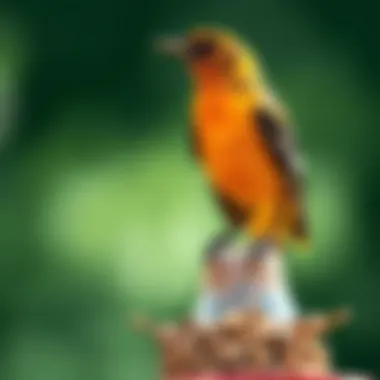
Orioles belong to the Icteridae family, with around 30 recognized species spread primarily across North and South America. Among the most sought-after by bird lovers in North America are the Baltimore Oriole and the Orchard Oriole. The Baltimore Oriole’s striking orange and black plumage makes it hard to miss, while the Orchard Oriole’s more muted colors still charm anyone who encounters it. Understanding the differences in species can enable birdwatchers to create targeted feeding environments that cater to the specific preferences of the orioles visiting their area.
“In knowing your birds, you unlock the ability to connect with them meaningfully.”

Physical Characteristics
Orioles are known for their vibrant colors; the males wear striking hues while females tend to have more subdued tones. Adult males typically showcase bright orange-yellow to deep golden shades with black wings and tails, whereas the females are more olive-yellow. These colors function not only in mating displays but also in camouflage. Their slim, pointed beaks hint at their dietary preferences, which mainly involve insects, fruits, and nectar. The wings of orioles are long and pointed, which help in quick maneuvering among trees and when traversing distances.
Behavioral Traits
Behaviorally, orioles are known for their acrobatic skills and sociable nature. They often hang upside down to reach food, exhibiting a nimbleness that can be quite thrilling to observe. Their songs are a melodious blend of whistles and trills, often used to communicate during mating seasons or to assert territory. Furthermore, orioles exhibit migratory behavior; many species migrate long distances between breeding and wintering grounds, making their appearance in gardens an event to anticipate each season. Understanding these behavioral traits helps bird watchers adopt feeding strategies that align with the habits of these colorful birds, improving chances of attracting them.
These aspects of orioles—their diverse species, eye-catching physical traits, and dynamic behaviors—provide essential background knowledge that informs effective feeding strategies and birdwatching practices. By being aware of what makes orioles unique, enthusiasts can enhance their experience, fostering a deeper appreciation for these remarkable birds.
Types of Oriole Feeders
Understanding the various types of oriole feeders is crucial for anyone wishing to attract these beautiful birds. This section discusses the different designs available, their unique features, and why each one has its benefits. When you know what type of feeder best suits your environment and the eating habits of orioles, you can significantly enhance your birdwatching experience.
Nectar Feeders
Nectar feeders are among the most popular and effective types of feeders for attracting orioles. These feeders typically have bright colors, particularly yellow or orange, which naturally draw the attention of these vibrant birds.
The design usually includes a reservoir for nectar, which can be either homemade or store-bought, and feeding ports that are specifically sized for oriole beaks.
- Importance: Nectar feeders mimic the flowers orioles naturally feed from, encouraging them to visit frequently.
- Homemade Nectar Tip: Making your own nectar is simple! Use a mix of one part sugar to four parts water, then boil until the sugar is dissolved.
A nest of good practices is to clean these feeders regularly. A dirty feeder can become a breeding ground for mold. You can soak it in hot water and scrub with a brush to keep it in top shape.
Fruit Feeders
Fruit feeders offer another delectable option for orioles, encouraging their exploration of fresh fruits. These feeders are often designed with spears or spikes to hold fruits like oranges, apples, or grapes. Orioles have a varied diet, and fruits provide essential vitamins and energy.
- Why Use Fruit Feeders: Orioles are naturally inclined to snack on fruit. Placing fruit near nectar feeders can create a buffet that attracts them.
- Tips for Variety: Experiment with different fruits to see which ones are the most appealing. Oranges tend to be a favorite, but you might find that ripe figs or berries also do the trick.
It’s also beneficial to change the fruit every few days to avoid spoilage, which can deter orioles from returning.
Seed Feeders
Surprisingly, while orioles are more commonly associated with nectar and fruit, they do consume seeds, particularly sunflower seeds and safflower. Seed feeders designed for orioles typically have a wider perch and specific openings to accommodate their feeding preferences.
- Best Practices: Use seed feeders sparingly alongside your nectar and fruit feeders. This helps provide a balanced diet and keeps a variety of bird species visiting.
- Feeder Design Considerations: Ensure that the feeder has sufficient drainage holes to let rainwater escape, thus keeping the seeds dry and fresh.
Multi-Feeder Designs
For avid bird watchers, multi-feeder designs can be an excellent investment. These feeders combine nectar, fruit, and seed options into a single setup, catering to a range of avian visitors. This versatility proves beneficial when trying to attract not only orioles but also other species.
- Convenience: Having multiple food sources in one feeder increases your chances of diverse bird visits, making for an exciting viewing experience.
- Placement Strategy: Ensure that your multi-feeder is placed in a quiet, semi-open area where orioles feel safe to explore and feed.
By understanding the different types of oriole feeders and how they cater to these birds' diets, you can improve your chances of attracting orioles and fostering a lively birdwatching environment.
"The right feeder can make all the difference in attracting our avian friends to your yard."
For further information on attracting orioles, consider visiting Cornell Lab of Ornithology or Audubon.org.
Choosing the Right Feeder
Selecting the right feeder for oriole enthusiasts is an essential aspect of attracting these vibrant birds to your backyard. The choice of feeder can dictate not just the type of orioles you’ll lure in, but also the frequency of their visits. Each feeder serves distinct purposes, which hinges on various factors such as material, size, and design features. By understanding these components, you will enhance your ability to create an inviting environment for orioles, fostering both their well-being and your enjoyment as a birdwatcher.
Material Considerations
The materials used to construct an oriole feeder play a significant role in its longevity and attractiveness. Many feeders are made from plastic, glass, or metal, and each material comes with its own pros and cons. Plastic feeders, for instance, are lightweight and less likely to shatter, but they can become brittle over time, especially in harsh weather. On the other hand, glass feeders often feature colorful designs that catch the light beautifully, enticing orioles, but they can also be heavy and more challenging to clean if they get dirty.
When selecting a feeder, consider:
- Durability: Will it withstand the elements?
- Cleaning ease: Can you easily take it apart to sanitize?
- Safety: Are there any sharp edges or toxic paints used?
In this regard, metal feeders are durable and harder for squirrels and larger birds to destroy. They often last longer, but one must ensure that any coatings are non-toxic, as birds are sensitive to chemicals. It pays to have an eye for detail when you’re choosing materials; after all, an oriole feeder that stands the test of time not only saves you money but also reduces waste.
Size and Capacity
The size and capacity of the feeder are critical, as they determine how many birds it can serve at once. This aspect directly connects to your goal: are you aiming for a bustling gathering of orioles, or just a few? Larger feeders provide ample nectar or fresh fruit space, catering to multiple birds at a time, hence reducing territorial squabbles.
Also, think about how frequently you’re willing to refill the feeder. A small feeder might suit those who prefer frequent birdwatching sessions because it will need replenishing often, allowing you to observe the birds’ behaviors up close. Meanwhile, larger feeders can be beneficial in busy areas, requiring less frequent refills while still providing enough sustenance.
When looking for sizes, consider:
- Height & Width: Ensure adequate reach for orioles.
- Fruit compartments: Are they large enough for halved oranges or apple slices?
- Nectar capacity: One-quart is ideal for busy feeders, with some options offering even more.
Design Features
The design of an oriole feeder is not merely about aesthetics; it encompasses various functional features that can either enhance or deter birds from feeding. Adequate perches, feeding ports, and drainage systems can make a significant difference in usability. Perches should be at a comfortable length for orioles, allowing them to sit and feed without difficulty.
Here are some design aspects to consider:
- Feeding Ports: How many are available? More ports can mean more birds feeding at once.
- Drainage: Especially for nectar, having proper drainage holes prevents spoilage, keeping food fresh.
- Color and Shape: Brightly colored oriole feeders draw in these birds' attention. Consider designs that mimic natural environments, which may appeal to them more.
When selecting a feeder, it’s wise to look for features that promote easy use. A feeder that is a breeze to clean and refill will provide a better experience for both you and the birds.
"The right feeder can make your backyard a haven for orioles, ensuring they receive the nourishment they need to thrive while allowing you to enjoy their vibrant colors and behaviors.”
In summary, choosing the right feeder isn't a simple task; it involves considering the material durability, size and capacity suitability, and functional design elements to ensure your efforts yield the best results. With the right feeder in place, you’ll create an inviting oasis that draws orioles in far and wide.
Feeding Strategies
Feeding strategies play a crucial role in attracting orioles to your backyard. By understanding their dietary preferences and needs, you can create an environment that not only draws these vibrant birds in but also sustains them. The right feeding approach can enhance your birdwatching experience, allowing you to observe their incredible feeding habits up close. Here, we break down the key elements of effective feeding strategies, highlighting the best foods available, the importance of fresh fruit, and some homemade nectar recipes that can elevate your success with these colorful avian guests.
Best Foods for Orioles
When it comes to selecting foods for orioles, consider their natural diet. These birds favor a mix of nectar, fruits, and insects. The right combination can draw them in like bees to honey.
- Nectar: A sugar-water solution mimics the natural nectar of flowers. A common ratio is 1 part sugar to 4 parts water.
- Fruits: Orioles have a sweet tooth for fruits like oranges, berries, and mangoes. Half oranges skewered onto feeders can be particularly attractive to them.
- Insects: While watching orioles at feeders is enjoyable, it’s worth noting that they also hunt flies, beetles, and caterpillars in the wild.
In short, providing a varied menu is key to keeping your feathered friends happy and engaged. Incorporate this variety to ensure consistent visits throughout the seasons.
Offering Fresh Fruit
Fresh fruit acts as a magnet for orioles, and offering it properly can make a significant difference in your feeder's effectiveness. When considering fruits, opt for those that are ripe and vibrant. Stale or overly mature fruit can deter these birds and lead to feeding issues.
- Oranges: Cut oranges in half and position them securely on your feeder. The bright orange color appeals to orioles and makes them feel at home.
- Berries: Raspberries, blueberries, and strawberries can be easily scattered on the feeder or placed in small dishes. Their sweet aroma tends to catch more than an oriole's attention; it can draw in other birds as well.
- Grapes and Cherries: Halved grapes or pitted cherries can provide a juicy snack that's hard to resist.
Just ensure the fruit is fresh and replaced frequently to avoid attracting unwanted pests or molding—cleanliness encourages repeat visits.
Homemade Nectar Recipes
Creating your own nectar is straightforward and can be a fun DIY project. Not only does it save you money, but it allows for customization to suit specific bird species. Here’s a simple recipe to get you started:
plaintext Homemade Oriole Nectar Recipe
- 1 cup of granulated sugar
- 4 cups of water
Instructions:
- Boil the water and stir in the sugar until dissolved.
- Allow the mixture to cool completely before filling the feeder.
- Store any leftovers in the refrigerator for future use.