Understanding the Lifespan of Green-Cheeked Conures


Intro
Green-cheeked conures, often recognized for their playful dispositions and colorful plumage, have carved out a special niche in the hearts of bird enthusiasts. Understanding the lifespan of these charming parrots goes beyond mere numbers; it involves grasping the critical factors that play into their longevity. From diet to environment, each element interplays to create a long and fruitful life for these avian companions. This article aims to encompass the nuances of green-cheeked conure care and the pivotal role owners play in ensuring their well-being.
Through this exploration, you will discover important insights into how their habitats, social interactions, and health all contribute to their lifespan. Proper care is essential, and it’s vital for prospective and current bird owners to comprehend the responsibilities that come with having a pet bird. By diving deep into nutrition, environment, and other care practices, we guide you in creating a nurturing space for your conure.
Now, let’s kick off our discussion by looking at the basics of avian care, which serves as the foundation for understanding how to foster a healthy life for these birds.
Avian Care Basics
Importance of Proper Nutrition
A bird is only as good as its diet, and this saying rings particularly true for green-cheeked conures. Proper nutrition is not just about filling a bowl with seeds; it encapsulates a balanced diet that includes fresh fruits, vegetables, and fortified pellets. Many owners often overlook the importance of variety, mistakenly assuming that these birds can thrive solely on seed mixes. In reality, without the right nutrients, these conures can face health issues that significantly shorten their lifespan.
For optimal health, a typical diet for a green-cheeked conure could include:
- Pellets specifically formulated for parrots
- A mix of dark leafy greens like kale and collard greens
- Various fruits such as apples, bananas, and berries;
- Nutritional supplements as suggested by avian veterinarians.
Each of these components contributes uniquely to your bird’s well-being, reducing the risk of obesity and malnutrition. Remember, when it comes to feeding conures, diversity is the spice of life!
Understanding Bird Species and Their Needs
When considering the care of green-cheeked conures, it’s critical to acknowledge their species-specific demands. These birds are social creatures by nature, which means they need companionship and stimulation to remain happy and engaged. This natural inclination can require quite a bit of time and effort from you, the owner.
- Understanding their behaviors and preferences can help in providing a more tailored environment.
- Each bird might have its quirks, from favorite toys to specific sounds that spark joy.
Recognizing these individual needs not only fosters a stronger human-bird bond but also makes caring for your conure a lot easier and enjoyable.
Basics of Birds Habitat Setup
Creating a suitable habitat for your green-cheeked conure is another crucial aspect of their overall health. A well-set-up cage should be roomy enough for them to move freely, and it should be equipped with perches of varying sizes to promote foot health. Furthermore, try to place the cage in a central area where your conure can watch the family hustle and bustle—it satisfies their social instincts.
Some elements to consider when setting up their habitat:
- Cage Size: Ideally, a minimum of 24x24x36 inches.
- Perches: Different sizes and textures.
- Toys: Rotate toys regularly to keep them entertained and engaged.
- Safe Plants: Incorporate bird-safe plants for added natural aesthetics.
Grooming and Hygiene Tips
Grooming isn’t just about looks; it’s a vital part of ensuring your green-cheeked conure remains healthy. Regularly trimming their nails, ideal for preventing accidents, not only keeps them safe but also prevents cage damage. Additionally, providing opportunities for them to bathe—whether through misting or a shallow dish of water—keeps their feathers clean and vibrant. It may seem trivial, but these small acts go a long way in maintaining your bird’s overall well-being.
The foundation of a green-cheeked conure’s life is built on these fundamental care principles. By grasping the essentials of avian care, you're already on the right path to ensuring a long, vibrant life for your feathered friend. Next, let’s explore how to interact meaningfully with these engaging pets.
Preface to Green-Cheeked Conures
Green-cheeked conures are a vibrant and charming addition to the world of pet birds. Understanding their unique traits and characteristics is essential for anyone considering bringing one of these lively creatures into their home. This section aims to highlight why the topic of green-cheeked conures is not just interesting but crucial for aspiring bird owners, seasoned enthusiasts, and breeders alike. Knowing about these birds can greatly influence their care, emotional well-being, and longevity.
In the realm of pet ownership, particularly with birds, making informed decisions can drastically improve the quality of life for both the owner and the animal. The green-cheeked conure, with its playful personality and striking appearance, is often regarded as an ideal companion for many. However, this care extends beyond mere feeding and housing. It encompasses an understanding of the bird’s natural behaviors, health considerations, and social needs.
Moreover, an awareness of this species can lead to better communication and bonding, ensuring that the interaction between the bird and its owner is enriching. This can foster a stronger emotional connection, as green-cheeked conures are known for their affectionate nature. Their average lifespan can vary significantly based on various elements which will be discussed in detail later on.
Finally, this introduction sets the stage for a deep dive into the lifespan and care of green-cheeked conures. Whether it's their physical traits, social characteristics, or optimum care routines, each aspect plays a role in understanding the overall health and longevity of these delightful birds.
"Understanding the specifics about green-cheeked conures is the first step toward responsible ownership and fostering a loving environment."


The next section will further detail the species overview, shedding light on their origins and classifications.
Lifespan of Green-Cheeked Conures
Average Lifespan
Typically, green-cheeked conures enjoy an average lifespan of around 10 to 15 years when kept in a caring and stimulating home. However, there are instances where these birds have been known to reach up to 20 years. This variance in lifespan often raises important questions for bird owners as they strive to understand how to provide an optimal living space.
Knowing the lifespan helps owners to prepare for long-term commitment and to ensure that they are ready to handle potential health issues that arise as their birds age. With awareness comes action, which leads to improved care strategies tailored towards extending that lifespan further, benefiting both the owner and bird.
Factors Influencing Lifespan
The lifespan of green-cheeked conures can be considerably affected by various elements, including genetics, environment, and nutritional factors. These components are intertwined, working together to create a framework for longevity. Let's delve into each factor in-depth.
Genetics
Genetics plays a foundational role in determining the lifespan of green-cheeked conures. Just like humans, the genetic makeup of a bird can influence its overall health and predisposition to certain diseases. Notably, the well-bred conures often exhibit stronger constitutions and can be less susceptible to disorders that might plague their less fortunate counterparts. Choosing ethically sourced birds from reliable breeders is essential, as this will ensure that you're getting a pet with a favorable genetic profile. Furthermore, certain genetic traits might facilitate better adaption to domestic life, which can positively influence longevity.
Environment
The environment where a green-cheeked conure resides significantly impacts its lifespan. A well-designed habitat with sufficient space, stimulating toys, and safe perches can contribute to a happier and healthier bird. For instance, conures thrive in environments where they feel secure yet engaged. This reduces the stress levels dramatically, aiding not just their longevity but also their behavior. In contrast, overcrowded or poorly maintained living conditions can lead to a range of health problems that shorten their lives.
A balanced environment also factors in social interactions, as confinement can contribute to psychological stress. It’s essential to understand that a stimulating environment involves more than just a spacious cage—it includes regular interaction with their owners to keep their spirits high.
Nutritional Factors
Feeding green-cheeked conures a nutritious diet is pivotal for their overall lifespan. Their digestive systems require a balanced mix of seeds, pellets, fruits, and vegetables to thrive. A diet lacking in essential nutrients can lead to malnutrition, which can compromise their immune system. Therefore, ensuring that these birds have access to proper nutrition is not merely a suggestion; it’s a necessity.
Additionally, certain foods boast specific health benefits. For example, incorporating leafy greens provides vitamins that bolster the immune system, while fresh fruits add hydration and variety. However, care must be taken as some human foods can be toxic to birds. It’s vital to research and discuss nutritional guidelines with veterinarians to create a customized, age-appropriate diet that supports their long-term health.
"A well-fed conure is a happy conure, and a happy conure tends to live longer."
Optimal Care for Longevity
Providing the right care can drastically affect the lifespan of green-cheeked conures. These birds, known for their vibrant personalities and playful nature, require thoughtful attention in various aspects of their lives. The care they receive influences their health and well-being, ultimately determining how many years they will thrive alongside their owners. Taking extra steps to ensure optimal care can lead to long-lasting companionship.
Dietary Needs
A balanced diet is crucial. Green-cheeked conures are omnivores, so their meals should include a variety of foods to ensure they obtain all necessary nutrients. A good mix consists of:
- Pellets: High-quality pellets serve as a primary food source, providing essential vitamins and minerals.
- Fresh Fruits and Vegetables: Include items like leafy greens, bell peppers, and apple slices. These add hydration and unique flavors.
- Nuts and Seeds: Offer these in moderation as treats. They are high in fat, but healthy fats are beneficial for energy.
Ensuring that green-cheeked conures have access to fresh water at all times is also essential for their overall health. Avoid harmful foods such as avocados, chocolate, and caffeine, as they can be toxic.
Habitat Setup
Creating an enriched living environment plays a large part in a conure’s lifespan. Their habitat should mimic their natural surroundings as much as possible to keep them happy and active. Consider the following elements when setting up their space:
- Size Matters: A spacious cage is a must. The rule of thumb is to provide a cage that allows the bird to stretch its wings and move freely.
- Perches: Use different types of perches made from various materials. This helps in exercising their feet and maintaining healthy claws.
- Toys: Offer a range of toys like chewable wood items, bells, and mirrors. Rotating toys keep your conure mentally stimulated and prevent boredom.
- Safety: Ensure that the habitat is devoid of toxic plants, sharp edges, or materials they could ingest. A safe environment fosters exploration and play.
Social Interaction
Green-cheeked conures are social birds that thrive on interaction. Regular bonding time significantly impacts their emotional health and longevity. Here are key points to consider:
- Time Out of the Cage: Let them fly around in a safe area daily. Supervised out-of-cage time is great for exercise and social bonding.
- Positive Reinforcement: Engage them with positive reinforcement strategies. Use treats and praise to reward good behavior, building trust.
- Learn Their Language: Spend time observing their body language and sounds. Understanding their cues deepens the timeless connection, ensuring they feel secure and valued.
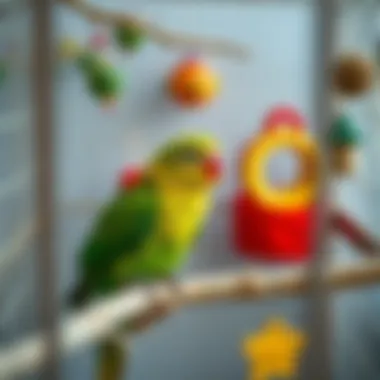
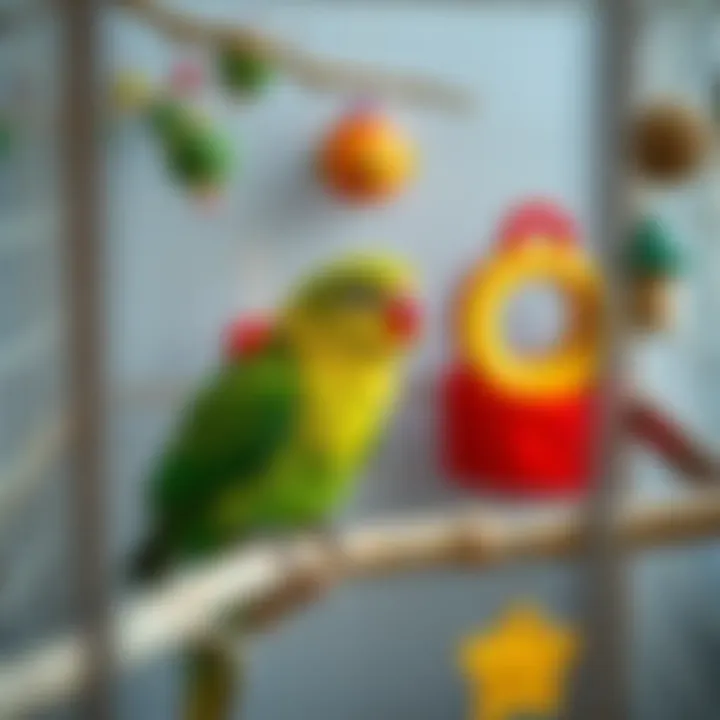
Building a nurturing environment through diet, habitat setup, and social interaction will provide green-cheeked conures with the foundation they need to lead a long, happy life. A bird that feels loved and secure is more likely to thrive well into its golden years.
"A well-cared bird is a happy bird; happiness has no age limit."
For more detailed insights on proper pet care, check resources such as Wikipedia and Britannica.
Common Health Issues
Understanding common health issues is key for green-cheeked conure owners. These vibrant birds can run into various medical troubles, and early detection often means the difference between a minor hiccup and a serious health scare. So, being aware of potential ailments can really equip owners to keep their feathery friends thriving.
When one thinks about pet ownership, health care often jumps to the forefront. Green-cheeked conures, like any pet, need preventive measures to fend off diseases. Owners who understand the risks can ensure proper care, making every moment with their bird an enjoyable one rather than a worry-filled ordeal. For instance, recognizing signs of illness early could save both time and a good chunk of change on vet bills.
Preventive Health Care
Preventive health care should be the bread and butter of any green-cheeked conure's routine. Regular check-ups with an avian vet can catch potential issues before they escalate. Think of it like taking your car for a tune-up—this small step goes a long way in prolonging life and performance.
Some key preventive measures include:
- Vaccinations: Keeping vaccinations up to date helps fend off infectious diseases that can spread quickly among birds.
- Nutritional Balance: A well-rounded diet made up of fresh fruits, veggies, and high-quality pellets can prevent many dietary-related diseases.
- Environmental Hygiene: Regular cleaning of the bird’s cage and surroundings can minimize the risk of infections due to bacteria or parasites.
- Exercise: Encouraging physical activity through play and social interaction is crucial. Stagnation leads to obesity and a shorter lifespan.
- Mental Stimulation: Engaging toys and social interactions keep their minds sharp, reducing stress and potential behavioral issues.
Pay heed to these aspects, and you'd be setting your feathered companion up for a long and healthy life.
Signs of Illness
Spotting the signs of sickness early is like having a sixth sense when caring for green-cheeked conures. The first thing to look out for is a change in behavior. If your typically lively conure suddenly becomes more withdrawn, it’s time to take notice. Here are vital indicators that all owners should be aware of:
- Change in Appetite: If your bird isn't eating or drinking as usual, it can signal a health issue.
- Ruffled Feathers: A conure that's puffed up all the time may not be feeling well.
- Lethargy: Quieter than usual? Not as playful? It could be a red flag.
- Respiratory Issues: Watch for sneezing, coughing, or difficulty breathing. These symptoms should be evaluated by a vet right away.
- Vocal Changes: A sudden lack of vocalization may indicate something's off. If your conure is normally chatty and then goes silent, it’s wise to investigate further.
"Prevention is better than cure"—keeping an eye on these signs will make you a better bird parent. When in doubt, never hesitate to consult a vet. It’s always better to be safe than sorry, especially when it comes to the health of your beloved conure.
Ensuring that common health issues are addressed promptly will greatly enhance the lifespan and well-being of your green-cheeked conure. After all, these birds are not just pets; they become part of your family.
Emotional Connection with Owners
The relationship between green-cheeked conures and their owners is pivotal, elevating the experience of bird-keeping to a whole new level. Understanding this emotional connection enriches both the lives of the birds and their caregivers. The very essence of pet ownership transcends mere care or companionship; it’s about forging a bond that fosters mutual respect, love, and understanding.
Understanding Behavior
Knowing how green-cheeked conures think and behave is crutial. These birds are lively and often exhibit a spectrum of behaviors that can range from playful antics to quieter, more contemplative moments. Each conure has its own personality, which can appear in different ways. For example, some may enjoy hanging upside down, while others may prefer snuggling into their owner’s palm. Recognizing what makes your bird tick is vital for building that emotional bridge.
- Vocalization: Green-cheeked conures are known for their playful and sometimes chatty nature. Listening to their vocalizations can provide insight into their feelings and needs.
- Body Language: Pay attention to their stance. A relaxed bird with open wings is usually comfortable, while an agitated bird may puff up or flap its wings.
- Interactive Play: Encourage playtime that mimics natural behaviors, like climbing or foraging. This not only keeps them stimulated but also helps solidify your bond.
Understanding these behavioral traits allows owners to respond effectively, creating a harmonious environment where both parties feel secure and cared for.
Building a Strong Bond
Building a deep connection with a green-cheeked conure doesn’t happen overnight; it’s an ongoing process that requires patience and effort. To truly bond, consider the following strategies:
- Consistency: Use the same commands and routines consistently. This helps your bird feel secure and understand expectations.
- Positive Reinforcement: Reward desired behaviors with treats or verbal praise. Make sure the treats are healthy and suited for your conure, like a small piece of fruit or a sunflower seed.
- Quality Time: Spend time together daily. Whether it’s training, talking, or just hanging out, your presence plays a significant role in their emotional well-being.
"Birds may forget your words, but they will not forget how you make them feel."
As the bond strengthens, your green-cheeked conure may begin to exhibit affectionate behaviors, such as preening or nuzzling. This shows that they trust you and feel secure, reinforcing the idea that the emotional bond shared is more than just companionship; it’s a deep-seated connection that can last a lifetime.
References:

- Wikipedia: Green-Cheeked Conures
- Britannica: Parrots
- Reddit: Bird Breeders
- Facebook Groups: Parrot Owners
- PetMD: Parrot Care
Challenges in Caring for Green-Cheeked Conures
Caring for green-cheeked conures brings its own set of hurdles that are essential to navigate for their well-being. These charming birds, known for their playful nature and vibrant personalities, can face challenges that affect their overall health and happiness. Addressing these challenges not only promotes longevity but also deepens the bond between the bird and its owner. Understanding and preparing for environmental risks and social needs are pivotal in ensuring these birds thrive in a domestic setting.
Environmental Risks
When talking about keeping green-cheeked conures, environmental factors play a crucial role in their health.
- Toxins: These birds are particularly sensitive to airborne toxins. Household items like non-stick cookware can release fumes that are harmful and even lethal. It’s essential to choose bird-safe materials in the kitchen.
- Humidity and Temperature: Conures come from tropical regions but can’t tolerate drafts or extreme temperatures. Maintaining the right humidity levels, around 40-60%, can help avoid respiratory issues that arise in overly dry or humid conditions.
- Space: Inadequate space can lead to stress. Their cages should be spacious enough for flight and equipped with safe perches. A cluttered or cramped environment could lead to behavioral issues.
Creating a secure and stimulating habitat is vital. An environment that mimics their natural habitat—complete with safe toys and areas to explore—can significantly improve their quality of life.
Social Isolation
Green-cheeked conures are social animals. Keeping one alone can lead to significant emotional and behavioral issues.
- Companionship: These birds thrive on interaction, not just with their owners but also with other birds. When isolated, they may suffer from loneliness, leading to depression or even destructive behavior.
- Interaction Needs: Daily interaction is non-negotiable. Owners should schedule time for play and training. Having a routine helps establish a sense of security for the bird.
- Bonding: Building a strong bond with their owner is crucial. This can take time, but engaging in activities like talking, hand-feeding, or teaching tricks can foster a strong connection.
"The more socialization and interaction they receive, the more vibrant and happy they become, resembling their lively nature in the wild."
To sum it up, recognizing the environmental risks and social needs of green-cheeked conures is fundamental in their care. By mitigating risks and prioritizing social interaction, owners can enhance their feathered friends' quality of life, contributing to a longer and healthier existence.
For more information, visit resources like Wikipedia and Britannica for additional insights.
Aging in Green-Cheeked Conures
The topic of aging in green-cheeked conures carries significant weight for pet owners and bird enthusiasts. Recognizing how these charming little birds change as they age helps in providing the care they need to thrive, addressing any challenges that may arise during this phase of their lives. The well-being of older birds depends heavily on the owners' understanding of their specific needs, which inevitably changes as they grow older. This section breaks down the most crucial aspects of aging, aiming to educate and prepare caregivers for the years to come.
Recognizing Age-Related Changes
As green-cheeked conures enter their golden years, several changes will be evident, both physically and behaviorally. These changes can sometimes be subtle, so keen observation is crucial. Here are some common age-related changes to look for:
- Changes in plumage: Older birds may display duller feathers or show signs of feather wear. The vibrant colors might start to fade, indicating a need for special attention.
- Decreased activity: You may notice your feathered friend is less enthusiastic about playtime or may prefer to spend more time resting. While it's natural for them to slow down, drastic changes in energy levels can signal underlying health concerns.
- Appetite fluctuations: Aging conures might not eat as eagerly as they once did. Changes in taste preferences can lead them to avoid pellets they previously enjoyed, showing the importance of dietary adjustments during these years.
- Behavioral quirks: Age can bring about mood changes. An older green-cheeked conure might become more affectionate, or conversely, more aloof. Hand-feeding can become a way to bond and offer comfort, but sudden changes in behavior can also warrant a vet visit.
Understanding these changes can aid in providing the necessary adjustments to their care routines. It's essential to stay alert to signs that may suggest your conure is not just aging, but possibly facing health issues that require professional intervention.
Support for Older Birds
Supporting an aging green-cheeked conure means taking proactive steps to ensure they lead a happy and healthy life. Here are some strategies to consider:
- Revising their diet: Older birds may benefit from a more tailored diet rich in antioxidants and vitamins to bolster their immune system. Consider incorporating fresh fruits and vegetables in addition to their regular feed.
- Environmental enhancements: Modify their habitat to encourage gentle exercise. Providing sturdy perches of various sizes and levels can help maintain muscle strength and balance without overwhelming them.
- Routine vet visits: Regular check-ups with an avian vet can catch potential issues early. Older birds might need more frequent exams as age-related problems can develop without obvious symptoms.
- Mental stimulation: Keeping their minds active is as important as physical activities. Introducing puzzle toys or gentle new training exercises can help keep their spirits high.
Closure
In the care of green-cheeked conures, understanding their lifespan is more than just a statistic; it's a heartfelt commitment. Knowing the average lifespan helps potential owners grasp the years they can expect to share with their feathered friends. But numbers alone won’t extend any bird's time here; it’s the multifaceted approach to care that really makes a difference.
Summary of Key Points
To provide a clearer picture, the lifespan of green-cheeked conures can extend up to 30 years with proper care. Here are the essential points:
- Nutrition: A balanced diet rich in seeds, fruits, and vegetables plays a crucial role in their vitality.
- Environment: A safe, stimulating habitat can deter stress and promote longevity in birds.
- Social Interaction: Regular interaction with humans and even other birds supports their mental health.
- Health Monitoring: Being alert to common health issues and recognizing early signs of illness is fundamental for timely intervention.
"The loving bonds between a bird and its owner can significantly impact the bird's happiness and health, ultimately influencing its lifespan."
Final Thoughts on Lifespan and Care
Reflecting on the lifespan and care of green-cheeked conures, it becomes evident that these charming companions require attentive owners who are well-informed. It’s not only about feeding them right or keeping their cage clean; it’s about creating a nurturing environment where they feel safe and loved. Taking the time to learn about their needs can greatly enhance their quality of life. Owners should remember that each bird is unique, with its own personality and preferences. Being attuned to those quirks ensures a fulfilling relationship, one that can last well into the later years of the pet bird's life.
Incorporating these insights leads to a deeper appreciation for green-cheeked conures. The connection built with them is invaluable, and with the proper understanding and care, both bird and owner can enjoy a rich, rewarding experience together for many years.